
The Nigerian construction industry is experiencing unprecedented growth, driven by infrastructure development, urbanization, and government initiatives. This expansion has created a robust market for construction equipment, particularly concrete mixers, which are essential for both small-scale projects and large infrastructure developments. The market presents a diverse range of options, from locally manufactured units to internationally recognized brands, each with distinct pricing structures and value propositions. Understanding the self loading concrete mixer machine price dynamics between local and international concrete mixers is crucial for contractors, construction companies, and individual investors seeking to make informed purchasing decisions. This analysis examines the comparative pricing landscape, considering factors such as initial investment, operational costs, maintenance requirements, and long-term value retention.
Initial Purchase Price Comparison
The most immediate consideration for buyers is the upfront cost of acquiring a concrete mixer. Local Nigerian brands typically offer more competitive pricing, with entry-level models starting from ₦800,000 to ₦1.2 million for standard drum mixers. These units are often manufactured using locally sourced components and labor, which helps keep production costs lower. Mid-range local models with enhanced features and larger capacities range between ₦1.5 million and ₦2.5 million. The price advantage of local brands is particularly pronounced in the entry-level segment, making them accessible to small contractors and individual builders with limited capital.
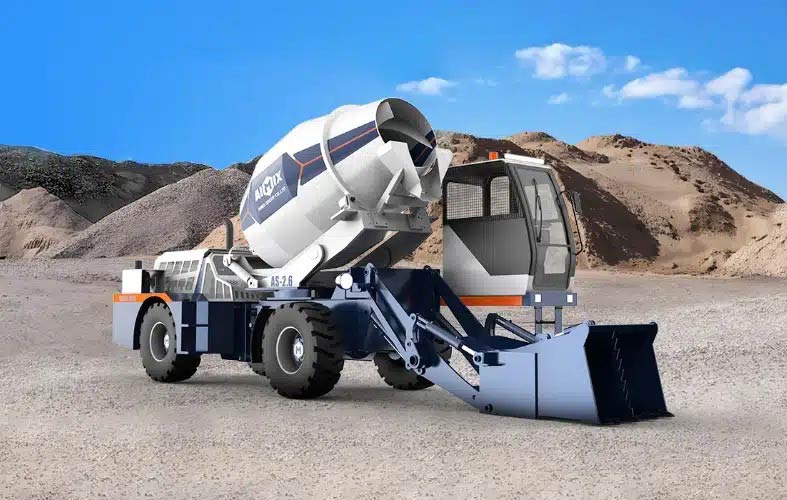
International brands, including AIMIX, present a different pricing structure. Entry-level models from international manufacturers typically start from ₦1.5 million to ₦2.5 million, representing a significant premium over local alternatives. Mid-range international models range between ₦3 million and ₦5 million, while high-capacity, feature-rich units can exceed ₦8 million. The price differential is primarily attributed to research and development costs, advanced technology integration, and global brand positioning. However, this higher initial investment often translates to superior build quality, advanced features, and better performance characteristics.
Price Breakdown by Capacity and Features
When comparing prices across different capacity categories, the gap between local and international brands becomes more nuanced. For small-capacity mixers (250-500 liters), local brands dominate the market with prices ranging from ₦800,000 to ₦1.5 million. International brands in this segment are limited, as most focus on larger capacities where their technological advantages are more pronounced. In the medium-capacity range (500-1000 liters), local brands offer units between ₦1.8 million and ₦3 million, while international brands like AIMIX position their products in the ₦3.5 million to ₦5 million range.
The large-capacity segment (1000+ liters) shows the most significant price divergence. Local manufacturers struggle to compete in this space due to technical limitations, with few offerings exceeding ₦4 million. International brands, including AIMIX, dominate this segment with prices ranging from ₦6 million to ₦12 million for high-capacity, self-loading, and fully automated models. The premium price of concrete mixer in Nigeria reflects advanced features such as hydraulic systems, automated batching controls, and superior mixing efficiency.
Factors Influencing Price Differences
Several key factors contribute to the price differential between local and international concrete mixers. Import duties and customs clearance costs add approximately 20-30% to the landed cost of international equipment. Currency exchange rates also play a significant role, as most international transactions are conducted in foreign currencies, exposing buyers to exchange rate fluctuations. Local manufacturers benefit from reduced logistics costs, lower labor expenses, and government incentives for local content development. However, international brands offset their higher prices through superior engineering, better after-sales support, and longer warranty periods.
Total Cost of Ownership Analysis
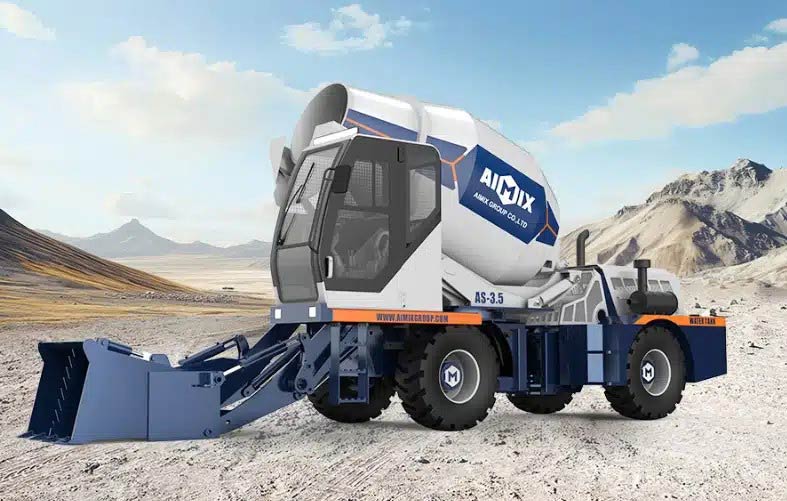
While initial purchase price is a critical consideration, the total cost of ownership provides a more comprehensive financial picture. This analysis encompasses not only the acquisition cost but also operational expenses, maintenance requirements, and resale value over the equipment’s lifespan. Local concrete mixers, despite their lower upfront cost, often incur higher operational expenses due to lower fuel efficiency and higher maintenance frequency. The average fuel consumption for local mixers ranges from 8-12 liters per hour, compared to 6-9 liters per hour for international brands like AIMIX. This difference becomes significant over the equipment’s operational life, particularly in high-usage scenarios.
Maintenance costs present another critical factor in the total cost equation. Local large concrete mixers typically require more frequent servicing, with recommended maintenance intervals of 200-300 operating hours. International brands, with their superior engineering and quality components, often extend maintenance intervals to 500-800 operating hours. The cost of spare parts also differs substantially, with local parts being more readily available and affordable, while international parts may require longer lead times but offer better durability and performance. Downtime costs, though difficult to quantify precisely, are generally lower for international brands due to their higher reliability and better after-sales support networks.
Resale Value and Depreciation
The resale value of concrete mixers is an often-overlooked aspect of the total cost of ownership. International brands, particularly established names like AIMIX, maintain significantly higher resale values compared to local alternatives. After three years of operation, an international mixer typically retains 60-70% of its original value, while local mixers may retain only 40-50%. This difference is attributed to the perceived quality, brand reputation, and proven performance of international equipment. The depreciation curve is also more gradual for international brands, providing better asset protection for investors. This factor becomes particularly important for contractors who frequently upgrade their equipment or operate on project-based financing models.
Operational Efficiency and Productivity
Beyond direct financial metrics, operational efficiency contributes to the overall value proposition. International concrete mixers generally offer higher mixing efficiency, faster cycle times, and better concrete quality consistency. These factors translate to increased productivity on construction sites, potentially allowing contractors to complete projects faster and take on more work. The advanced features found in international models, such as automated batching systems, digital controls, and self-diagnostic capabilities, reduce operator error and minimize material waste. While these benefits are difficult to quantify in immediate financial terms, they contribute to long-term profitability and competitive advantage in the construction market.
Market Positioning and Target Segments
The Nigerian concrete mixer market is segmented based on customer needs, budget constraints, and project requirements. Local brands primarily target the entry-level and small-scale contractor segment, where price sensitivity is highest and technical requirements are less demanding. This segment includes individual builders, small construction firms, and rural development projects where budget constraints outweigh the need for advanced features. The accessibility and affordability of local mixers make them ideal for this market, despite their limitations in terms of durability and performance.
International brands, including AIMIX, position themselves in the mid-to-high-end market segments. Their target customers include established construction companies, infrastructure developers, and government projects where reliability, performance, and after-sales support are paramount. These customers are willing to pay a premium for equipment that minimizes downtime, reduces operational risks, and delivers consistent performance over extended periods. The brand reputation and proven track record of international manufacturers provide the confidence needed for large-scale projects with tight timelines and quality requirements.
Value Proposition for Different Customer Types
For budget-conscious buyers with limited capital and small-scale operations, local concrete mixers offer the most practical solution. The lower initial investment allows for quicker return on investment and easier access to equipment financing. However, these buyers must be prepared for higher long-term maintenance costs and potential operational limitations. For established contractors and large construction firms, international brands like AIMIX present a more compelling value proposition. The higher initial cost is offset by lower operational expenses, better reliability, and higher resale value. These factors, combined with the productivity gains from advanced features, make international equipment more cost-effective in the long run for high-usage scenarios.
Financing and Payment Options
The availability of financing options also influences the purchasing decision. Local manufacturers often offer more flexible payment terms, including installment plans with lower down payments and longer repayment periods. Some local brands provide in-house financing or partnerships with local financial institutions, making their equipment more accessible to small businesses with limited cash flow. International brands typically require larger down payments and may have stricter credit requirements, though they often partner with international financing institutions that offer competitive rates for qualified buyers. The choice between local and international equipment should consider not only the total cost but also the financing structure and its impact on cash flow management.
In conclusion, the decision between local and international concrete mixers in Nigeria involves a complex evaluation of multiple factors beyond the initial purchase price. While local brands offer attractive entry-level pricing and accessibility, international brands like AIMIX provide superior long-term value through better performance, lower operational costs, and higher resale value. The optimal choice depends on the buyer’s specific requirements, budget constraints, and long-term business strategy. For small-scale operations with limited capital, local mixers may be the practical choice. For established contractors and large projects where reliability and productivity are critical, the investment in international equipment is justified by the comprehensive value proposition and long-term financial benefits.