
For small and medium-sized contractors, investing in a 60 TPH asphalt plant is not just a cost decision. It is a strategic step that can reshape your profit structure, project control, and long-term growth. However, before making that move, one key question matters most: what is the real return on investment (ROI)?
In practical terms, ROI answers whether your asphalt plant can generate stable profits, how fast you recover your capital, and how much additional value you gain from owning production capacity. In this article, we break it down from a real contractor’s perspective, using realistic numbers, project scenarios, and market insights.
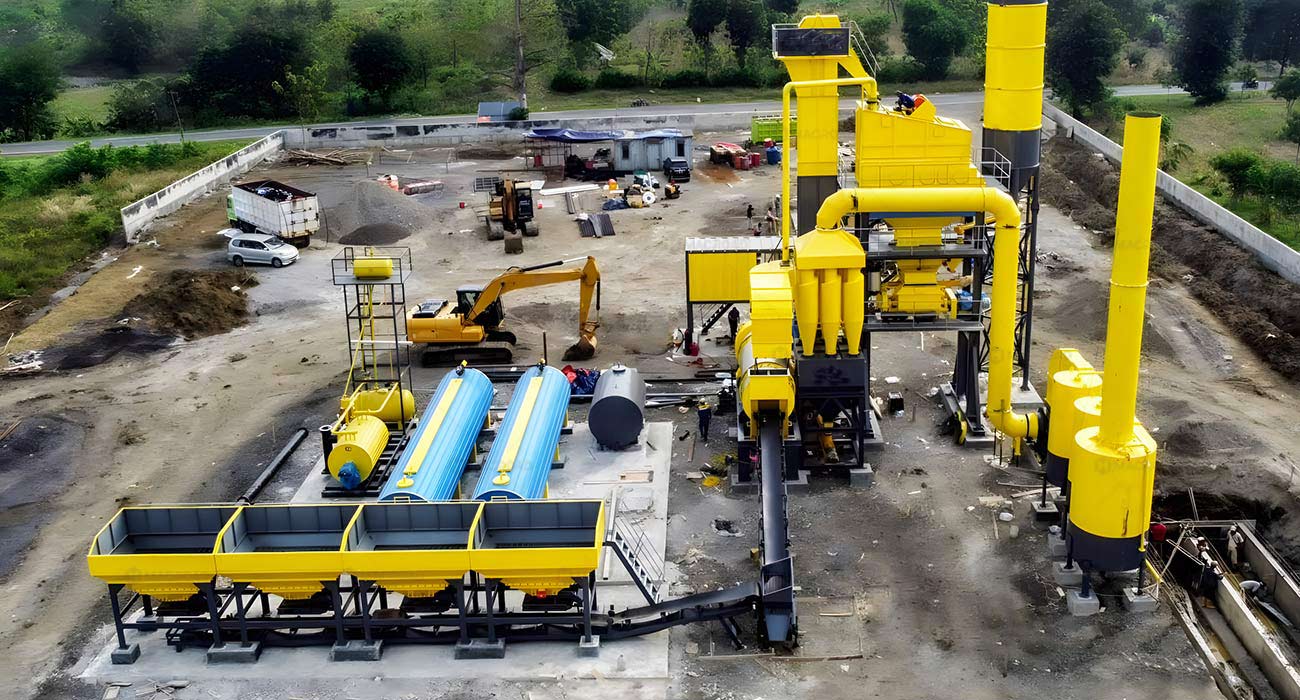
What Does ROI Really Mean For Small Contractors?
Before we talk about numbers, let’s clarify what ROI means in the construction business. It is not just about how quickly you recover your initial investment. It also reflects your ability to reduce costs, win more projects, and control your supply chain.
In fact, when contractors evaluate asphalt plant price, they often focus only on upfront cost. However, ROI goes much deeper than that.
It includes:
- Initial investment cost
- Operating and maintenance expenses
- Revenue from asphalt production
- Cost savings from in-house production
- New business opportunities
Therefore, a 60 TPH asphalt plant should be viewed as a long-term profit center, not just a piece of equipment.
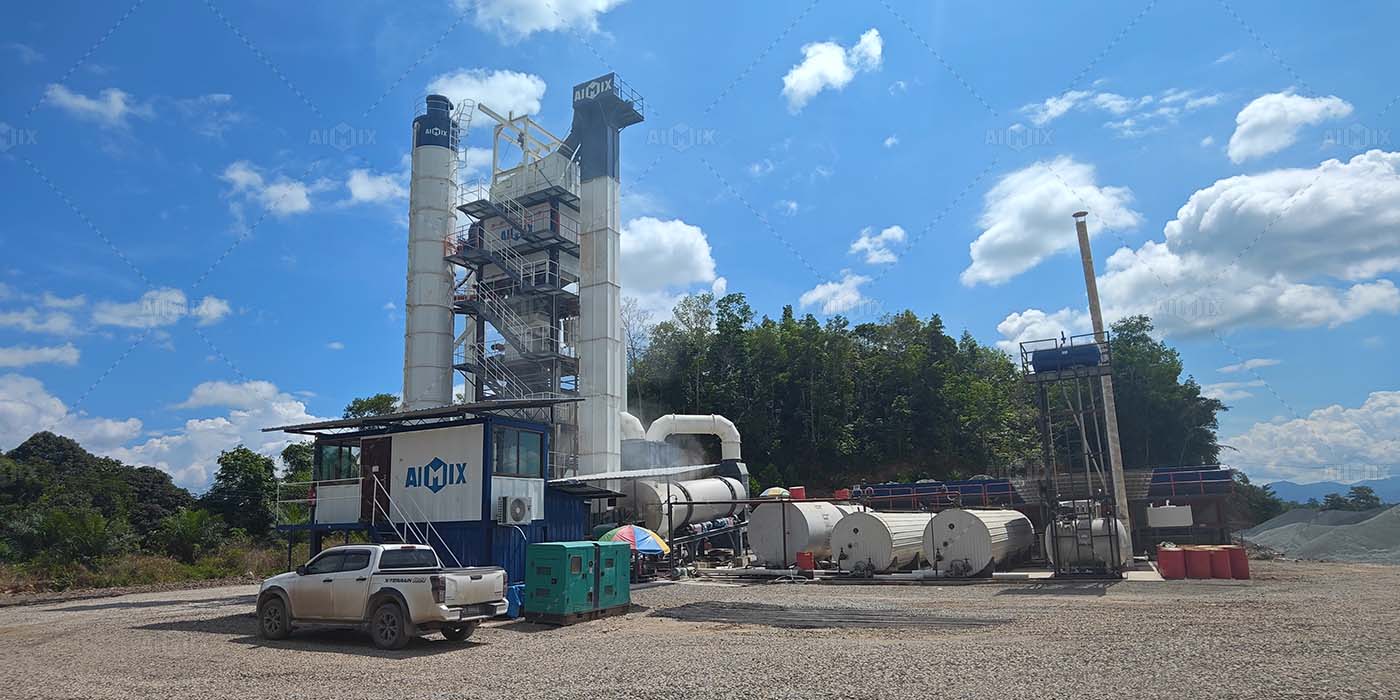
Initial Investment: How Much Does A 60 TPH Asphalt Plant Cost?
Now that ROI is clear, let’s start with the first component: investment cost. This is the baseline for calculating your return.
According to industry data, asphalt plants vary widely depending on type and configuration. The overall price range for asphalt plants can go from $50,000 to $1,000,000 depending on capacity and features :contentReference[oaicite:0]{index=0}.
For a typical 60 TPH plant, especially batch type preferred in Indonesia:
- Equipment cost: $130,000 – $300,000
- Installation & setup: $10,000 – $30,000
- Transportation: $5,000 – $20,000
Total estimated investment: $150,000 – $350,000
If you want a deeper breakdown, you can also review detailed asphalt concrete plant cost factors including fuel, maintenance, and environmental systems.
However, cost alone does not determine success. What matters more is how efficiently you convert that investment into profit.
Production Capacity And Revenue Potential
After understanding the investment, the next step is to evaluate how much revenue your plant can generate. This is where ROI becomes more concrete.
A 60 TPH asphalt plant typically produces:
- 480 tons per 8-hour shift
- 600–900 tons per day depending on working hours
Meanwhile, the average asphalt selling price ranges from $57 to $90 per ton depending on market conditions.
Let’s take a conservative scenario:
- Daily output: 500 tons
- Selling price: $70/ton
- Daily revenue: $35,000
This shows that even a mid-sized plant can generate strong daily cash flow.
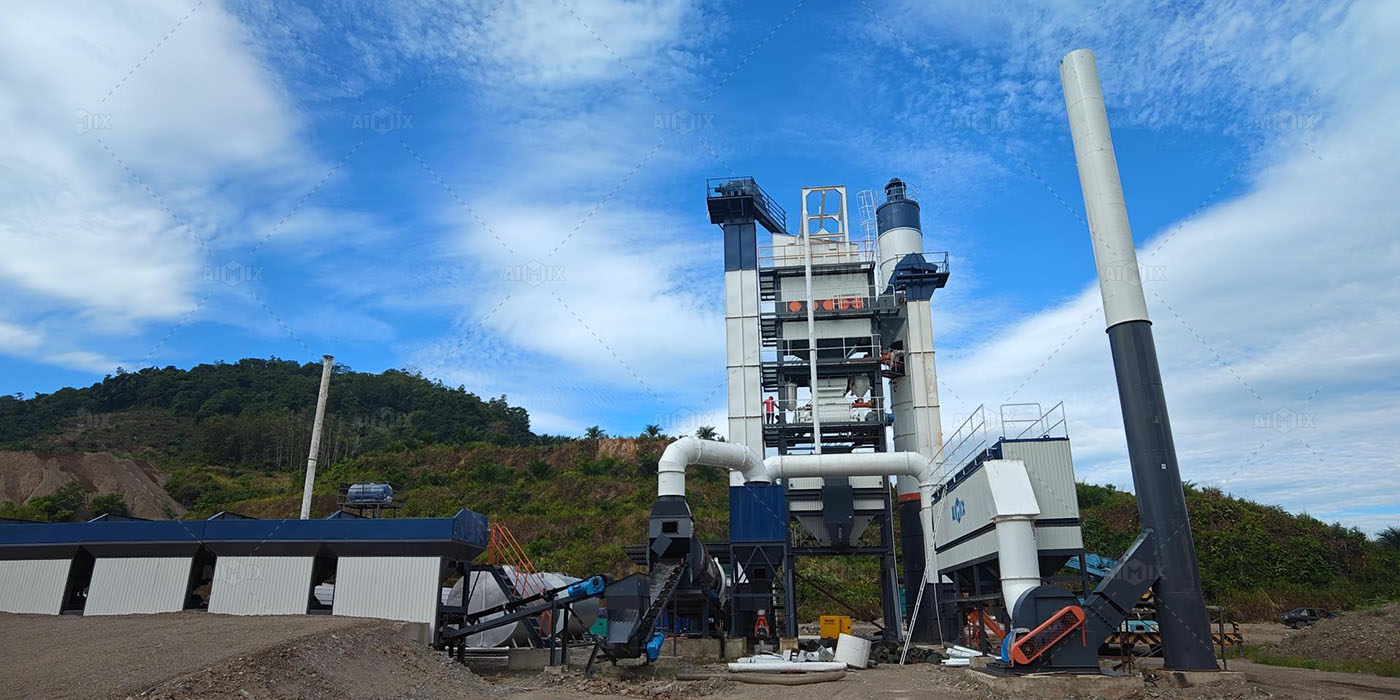
Operating Costs: The Real Impact On Profit
However, revenue alone does not define ROI. Operating cost plays an equally important role. Therefore, understanding these expenses is essential.
Raw Materials
Aggregates and bitumen usually account for 60–70% of total cost. Efficient sourcing directly improves profit margins.
Fuel And Power
Fuel consumption is a major expense. Annual fuel and electricity costs can range from $15,000 to $50,000 depending on production scale.
Labor
A small team of 5–8 workers can operate the plant. This keeps labor costs manageable.
Maintenance
Maintenance typically costs 5–10% of the equipment value per year. Regular servicing ensures stable production and avoids costly downtime.
In general, total operating cost ranges between $40–60 per ton.
Real ROI Scenario: How Fast Can You Recover Your Investment?
Now let’s combine all factors into a realistic ROI calculation. This is the part most contractors care about.
Assumptions:
- Daily output: 500 tons
- Selling price: $70/ton
- Cost: $50/ton
Daily profit:
- Revenue: $35,000
- Cost: $25,000
- Profit: $10,000/day
Monthly profit (20 working days): $200,000
Even if utilization drops to 50%, you can still generate around $100,000 per month.
Based on this, many projects show a payback period of around 6–12 months, which aligns with industry estimates of under one year for efficient operations.
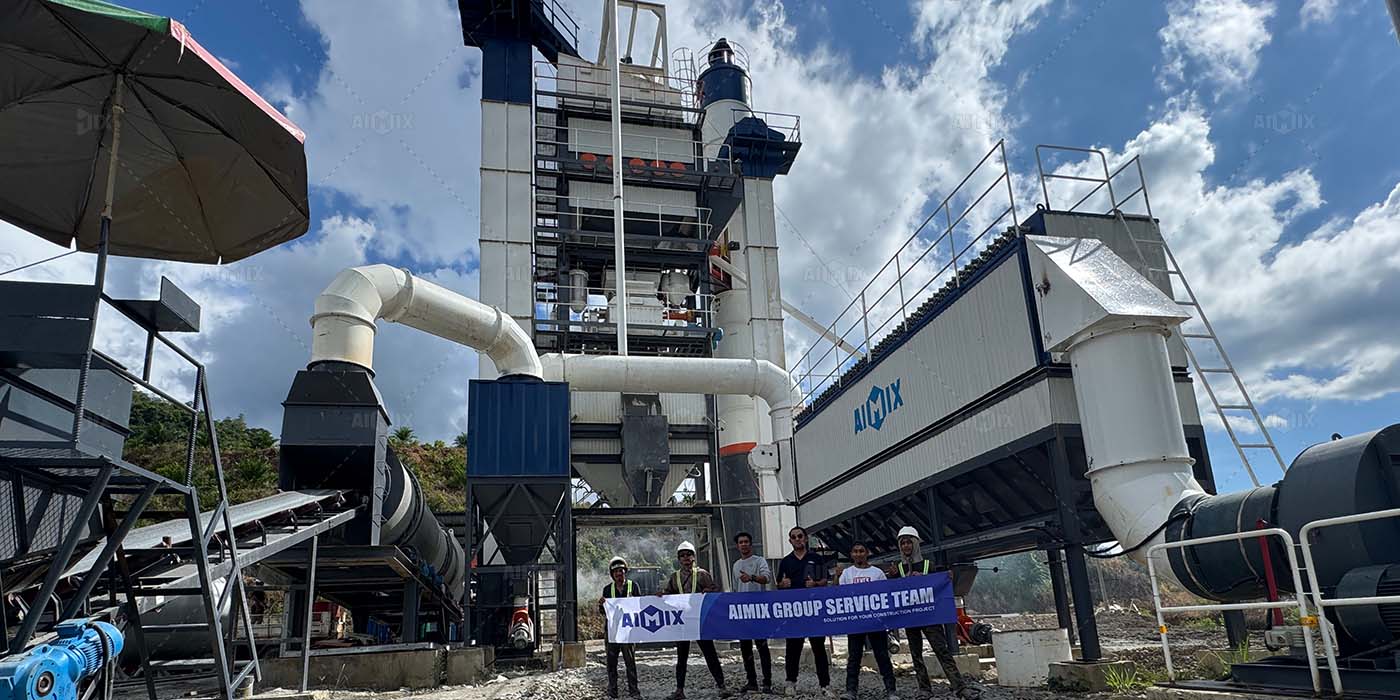
Why A 60 TPH Asphalt Plant Is Ideal For Small Contractors
At this stage, you may wonder why a 60 TPH plant is such a popular choice.
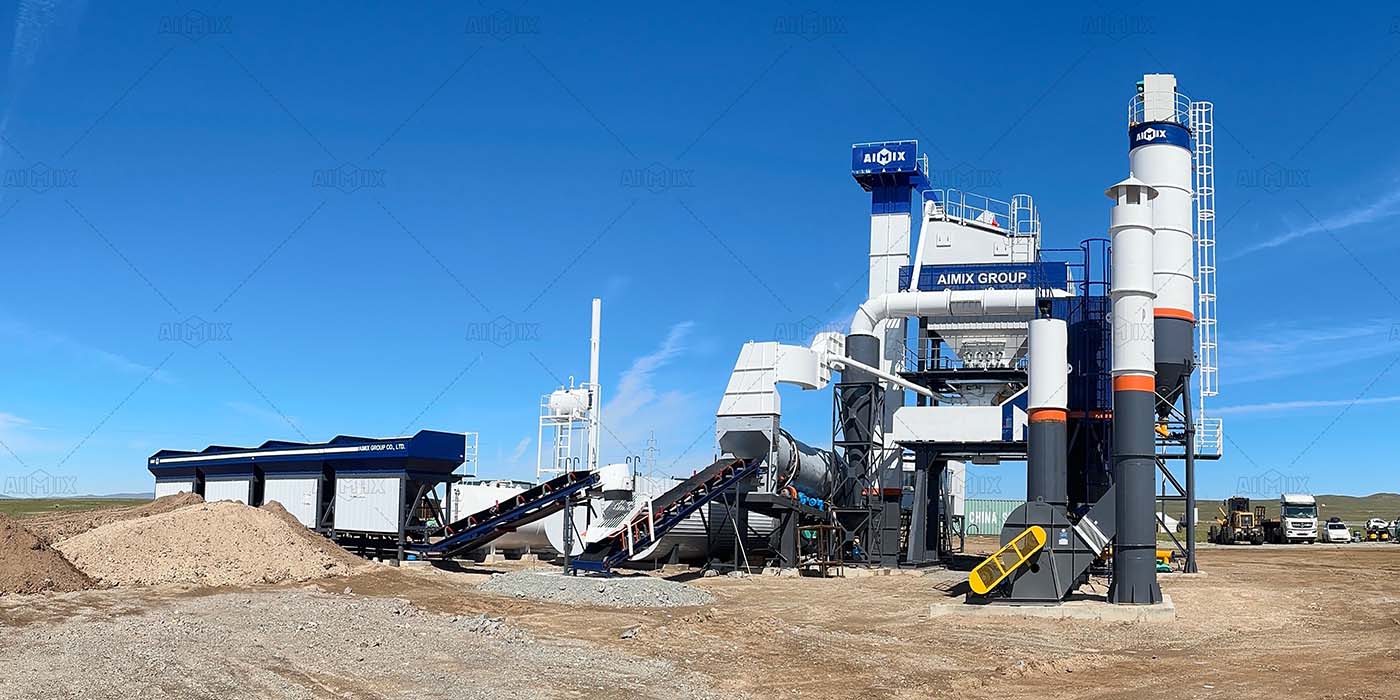
The answer lies in its balance between cost and output. Compared with larger plants, it requires lower investment. At the same time, it still delivers enough capacity for most municipal and regional projects.
For example, many contractors using plant asphalt solutions choose 60 TPH for:
- District road construction
- Rural road development
- Urban maintenance projects
As a result, it becomes a flexible and practical option for growing contractors.
Additional Revenue Streams That Improve ROI
Beyond direct project use, owning an asphalt plant opens new income channels. This further accelerates ROI.
- Selling asphalt mix to other contractors
- Participating in government tenders
- Providing paving services
- Producing custom mixes for clients
In particular, investing in amp hotmix production allows contractors to supply consistent, high-quality material, which increases competitiveness.
Key Factors That Influence ROI
However, ROI is not guaranteed. Several factors directly affect your results.
Project Continuity
Stable project flow ensures consistent production and faster payback.
Location Advantage
Remote areas often have higher asphalt prices, which increases margins.
Supply Chain Efficiency
Access to local aggregates and bitumen reduces cost significantly.
Equipment Reliability
Efficient machines reduce fuel use and downtime.
Utilization Rate
The more you use the plant, the faster you recover your investment.
Common Mistakes That Reduce ROI
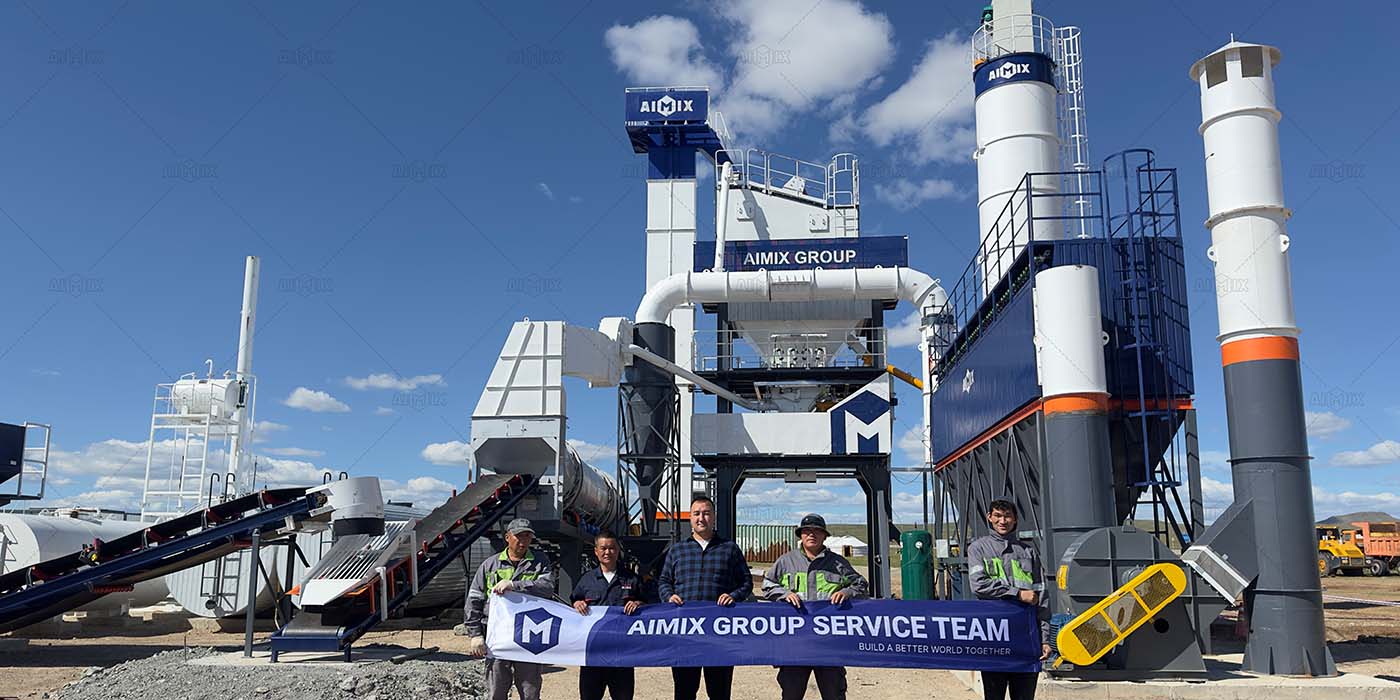
Even with strong potential, some contractors fail to achieve expected returns. Therefore, avoiding common mistakes is critical.
- Choosing the wrong plant capacity
- Ignoring maintenance planning
- Underestimating fuel costs
- Lack of trained operators
- Poor logistics planning
Each of these can reduce efficiency and delay ROI.
How To Maximize ROI From Your Asphalt Plant
Finally, let’s look at practical ways to improve your returns.
Increase Plant Utilization
Secure multiple projects or external clients to keep the plant running.
Control Cost Per Ton
Monitor fuel, materials, and labor regularly.
Invest In Operator Training
Better skills lead to higher efficiency and less waste.
Optimize Logistics
Reduce transportation time and material delays.
Conclusion: Is A 60 TPH Asphalt Plant A Smart Investment?
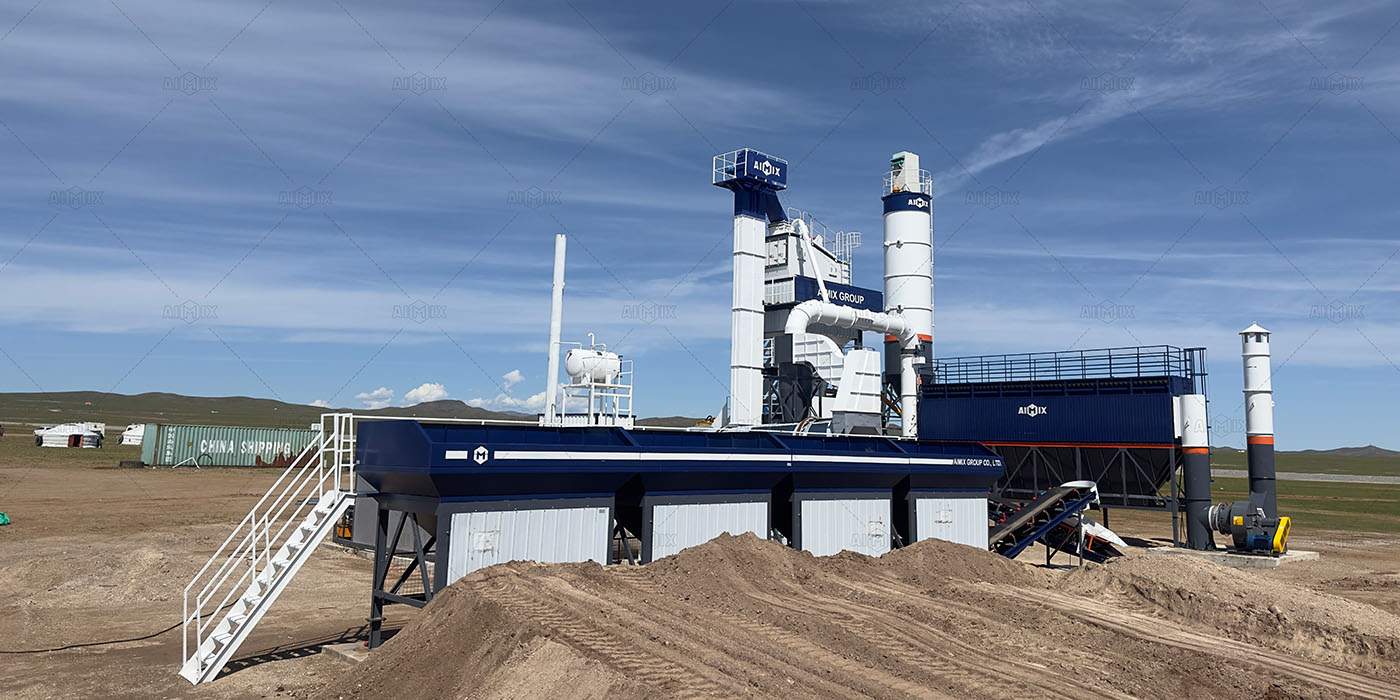
In conclusion, a 60 TPH asphalt plant offers strong ROI potential for small contractors. With proper planning, stable projects, and efficient operation, you can recover your investment within 6–12 months and generate consistent profits afterward.
More importantly, it gives you control over your supply chain, reduces dependency on external suppliers, and creates new business opportunities.
If you are planning your next step in road construction, now is the right time to evaluate your investment strategy. A well-selected 60 TPH asphalt plant can become the foundation of your long-term growth and profitability.