
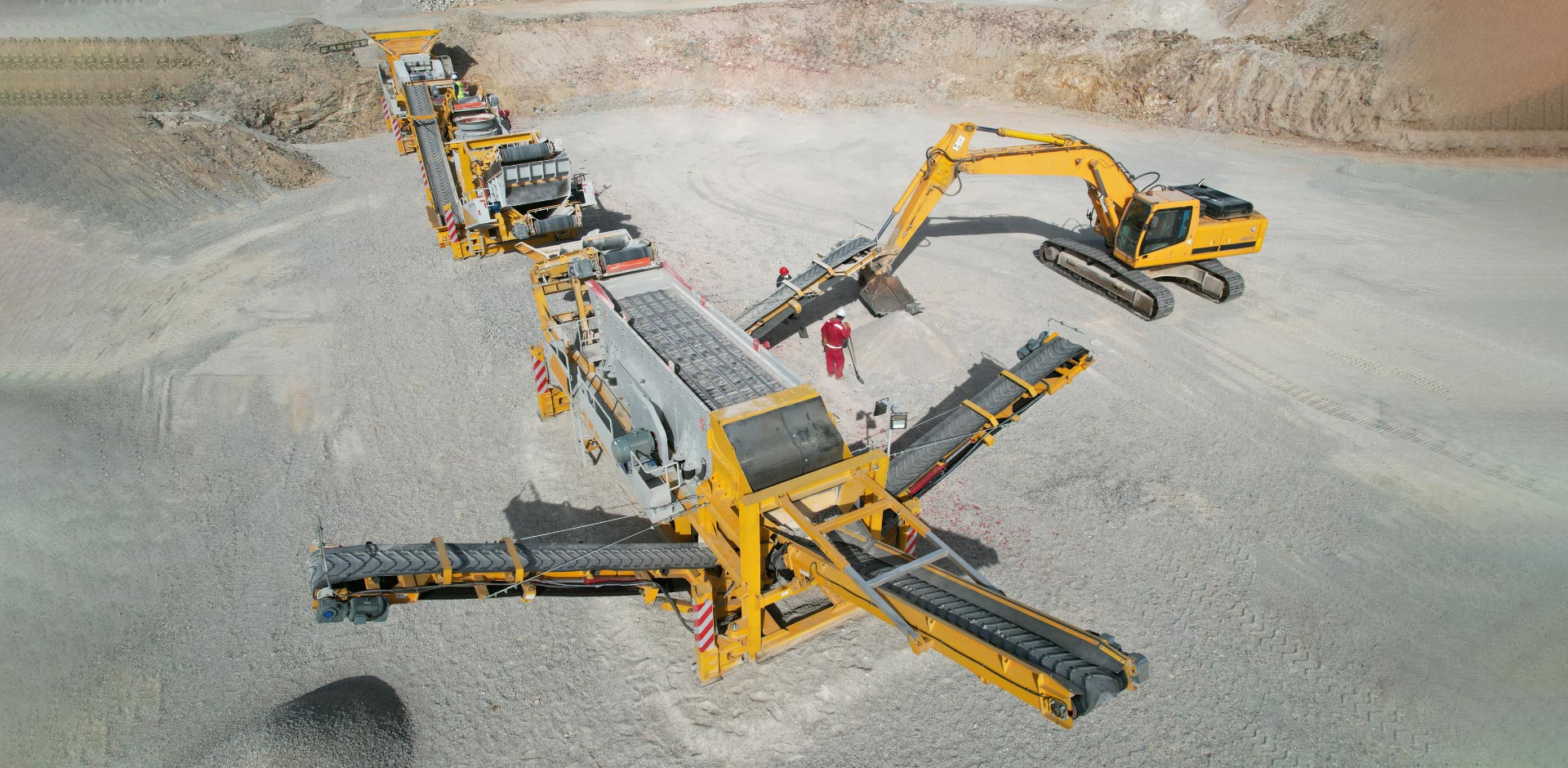
In the world of construction and mining, the “one-size-fits-all” approach is a recipe for operational failure. The geological characteristics of the raw material are the primary factors that dictate the engineering and configuration of an aggregate crusher plant(planta chancadora de áridos). From the crystalline structure of granite to the porous nature of limestone, each rock type presents unique challenges in terms of energy consumption, wear and tear, and final product quality. Understanding these geological nuances is essential not only for operational efficiency but also for financial planning, as equipment choice directly influences the total project cost and answers the vital question: how much does a stone crusher cost to operate over its lifetime?
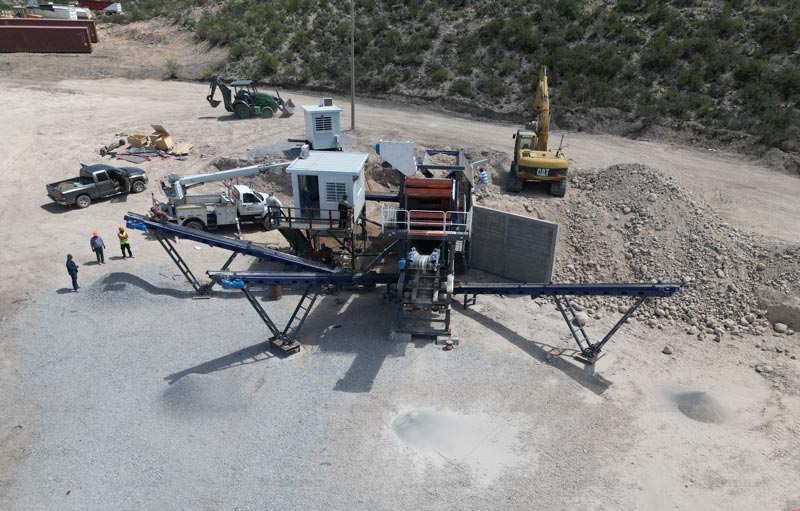
Understanding Rock Hardness and Abrasiveness
The two most critical geological factors influencing equipment selection are Compressive Strength (hardness) and Silica Content (abrasiveness). Hardness determines how much force is required to break the rock, while abrasiveness determines how quickly the machine’s internal components will wear down.
Soft and Non-Abrasive Rocks
Rocks like limestone, gypsum, and shale are relatively soft. Because they break easily, they do not require massive amounts of compressive force. For these materials, impact crushers are often the preferred choice. Impactors use high-speed striking force to shatter the rock, which produces a highly cubical product—ideal for concrete aggregates. Since these rocks have low silica content, the wear on the blow bars is manageable, keeping maintenance costs low.
Hard and Abrasive Rocks
When dealing with basalt, granite, or quartzite, the strategy must change. These materials require a dedicated hard rock crusher. Using an impactor on granite would result in catastrophic wear costs, with metal parts needing replacement almost weekly. Instead, operators utilize compressive crushing technology, such as jaw crushers for primary stages and cone crushers for secondary and tertiary stages. These machines “squeeze” the rock until it fails, which is far more efficient for high-strength materials.
The Role of Primary Crushing: Setting the Stage
The primary stage is the first point of contact between the raw geological material and the aggregate crusher plant. The goal here is to reduce the “run-of-mine” material to a size that can be handled by secondary equipment.
For large, blocky, and hard rocks, a heavy-duty jaw crusher is the industry standard. Its deep crushing chamber and high-strength toggle plates are designed to handle the massive stress of breaking boulders. However, if the source material is recycled demolition waste rather than virgin rock, a concrete crusher(un triturador de concreto) might be integrated. These units are specifically designed to handle the reinforcement bars (rebar) and contaminants often found in recycled materials, which would otherwise jam a standard rock-only primary unit.
Secondary and Tertiary Crushing: Refining the Shape
Once the rock is broken down into manageable sizes, the focus shifts from “size reduction” to “shape optimization.” The rock type continues to play a pivotal role here.
Cone Crushers for Hard Rock
A hard rock crusher in the secondary stage is almost always a cone crusher. These machines are built for endurance. By adjusting the “eccentric throw” and the “closed-side setting,” operators can fine-tune the output to meet specific grading requirements. For highly abrasive rocks, the liners of the cone crusher are made of high-manganese steel to prolong service life.
Vertical Shaft Impactors (VSI) for Final Product
In the final stage of production, rock type determines if a VSI is necessary. If the rock tends to break into “flaky” or “elongated” pieces (common with certain schist or laminated rocks), a VSI is used to “shape” the stone. In a “rock-on-rock” VSI, the material is accelerated against a wall of other rocks, using autogenous grinding to produce perfectly round, high-quality sand and aggregate.
Economic Implications: How Much Does a Stone Crusher Cost?
When investors ask “how much does a stone crusher cost?(cuánto cuesta una trituradora de piedra)”, they are often looking at the sticker price of the machinery. However, the rock type defines the “Real Cost.”
- Energy Consumption: Harder rocks require more kilowatts per ton of produced material.
- Wear Parts: High-silica rocks increase the “cost per ton” significantly due to the frequent replacement of liners, mantles, and blow bars.
- Downtime: Selecting the wrong equipment for a specific rock type leads to frequent mechanical failures and unprogrammed maintenance, which can be more expensive than the machine itself.
Moisture Content and Plasticity
Beyond hardness, the physical state of the rock matters. “Sticky” rocks or those with high clay content (often found in tropical regions or limestone quarries with heavy overburden) can clog an aggregate crusher plant. In these cases, specialized “scalping” screens or “grizzly” feeders are placed before the primary crusher to remove the “fines” and clay. If the material is too wet, traditional crushing may need to be replaced with a “wet process” or specialized roll crushers that can handle plastic materials without gumming up the internal chambers.
Recycling Applications: The Concrete Crusher
In urban environments, the “rock” being crushed is often man-made. The selection of a concrete crusher is a unique engineering challenge. Unlike natural rock, concrete contains steel. Therefore, the equipment must include magnetic separators and specialized discharge chutes to prevent the metal from damaging downstream conveyors. While the concrete itself is often softer than natural granite, its heterogeneous nature requires a robust and adaptable design that differs from a pure hard rock crusher(trituradora roca dura pura) setup.
Geology as the Blueprint
Selecting the right equipment for an aggregate crusher plant is a sophisticated balancing act between geological science and mechanical engineering. By carefully analyzing the rock’s hardness, abrasiveness, and moisture content, operators can choose between an impact-based or compression-based system. Whether you are investing in a specialized concrete crusher for urban recycling or a massive hard rock crusher for an Andean mine, the geology of your site is the ultimate blueprint. Failing to respect the rock type will not only lead to poor product quality but will also exponentially increase how much does a stone crusher cost to maintain, eventually eroding the profitability of the entire operation.