
Starting a 100 TPH asphalt plant business requires more than buying the asphalt mixing plant itself. The real investment also includes site preparation, storage systems, utilities, installation, material handling, working capital, and contingency funds.
For a new investor, this can make the initial budget difficult to estimate. A plant may have a quoted equipment price of several hundred thousand dollars, yet the actual project capital can be much higher after all supporting costs are included.
So, how much capital is needed for a 100 TPH asphalt plant business? A practical planning range is often around US$780,000 to US$1.42 million, excluding a large truck fleet and major land purchases. The final figure depends heavily on location, plant configuration, site conditions, storage capacity, local regulations, and project requirements.
This article explains where the money goes and how contractors or investors can build a more realistic investment plan before purchasing equipment.
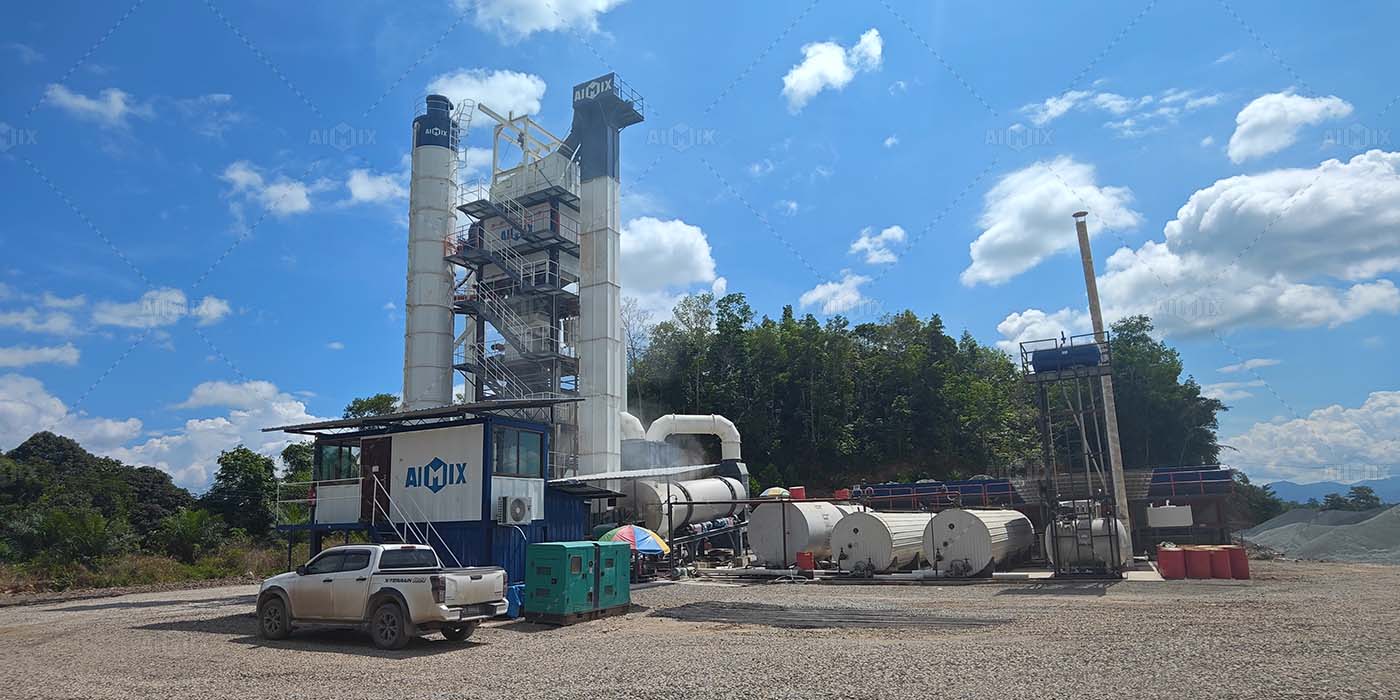
What Is The Typical Price Of A 100 TPH Asphalt Plant?
The asphalt plant itself usually represents the largest single equipment investment. For a 100 TPH batch asphalt mixing plant, buyers may see a typical equipment price in the range of US$420,000 to US$560,000, depending on configuration and included components.
However, the quoted plant price does not always represent the complete project cost. Therefore, buyers should separate the plant purchase price from the total business investment. Reviewing the current asphalt plant price can provide a useful starting point for equipment budgeting.
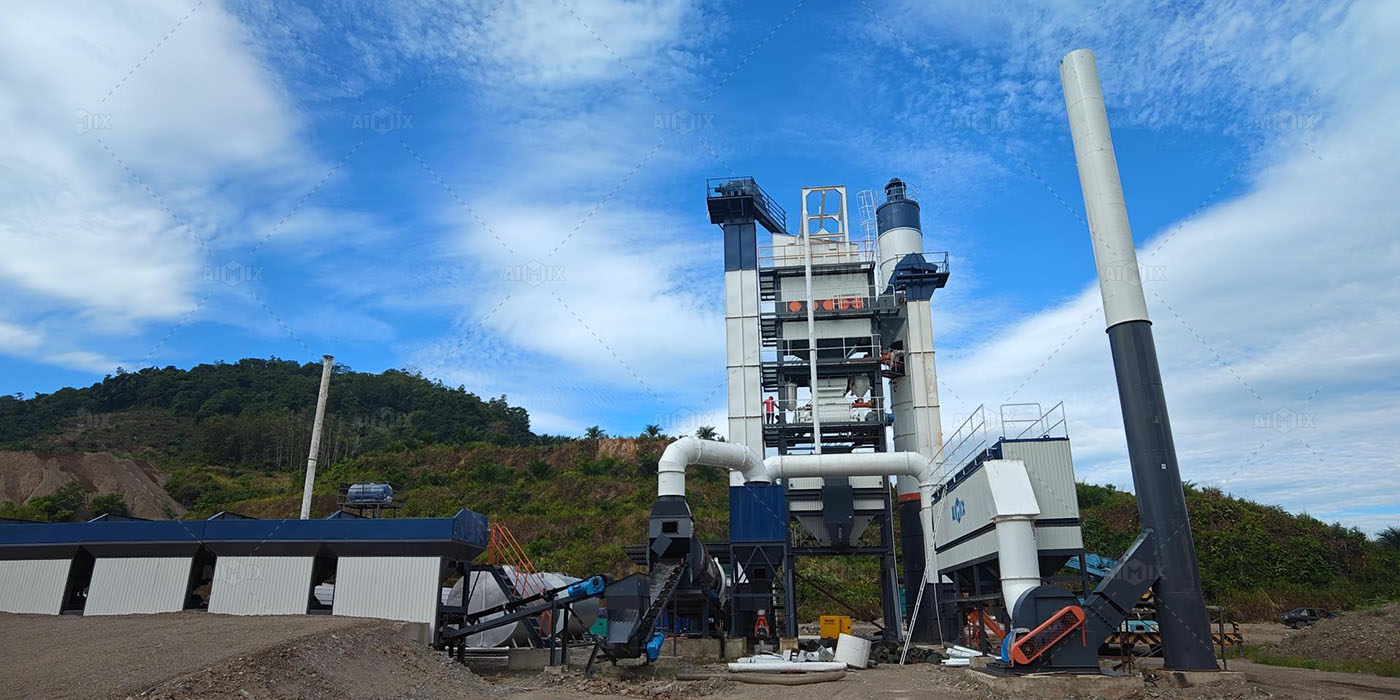
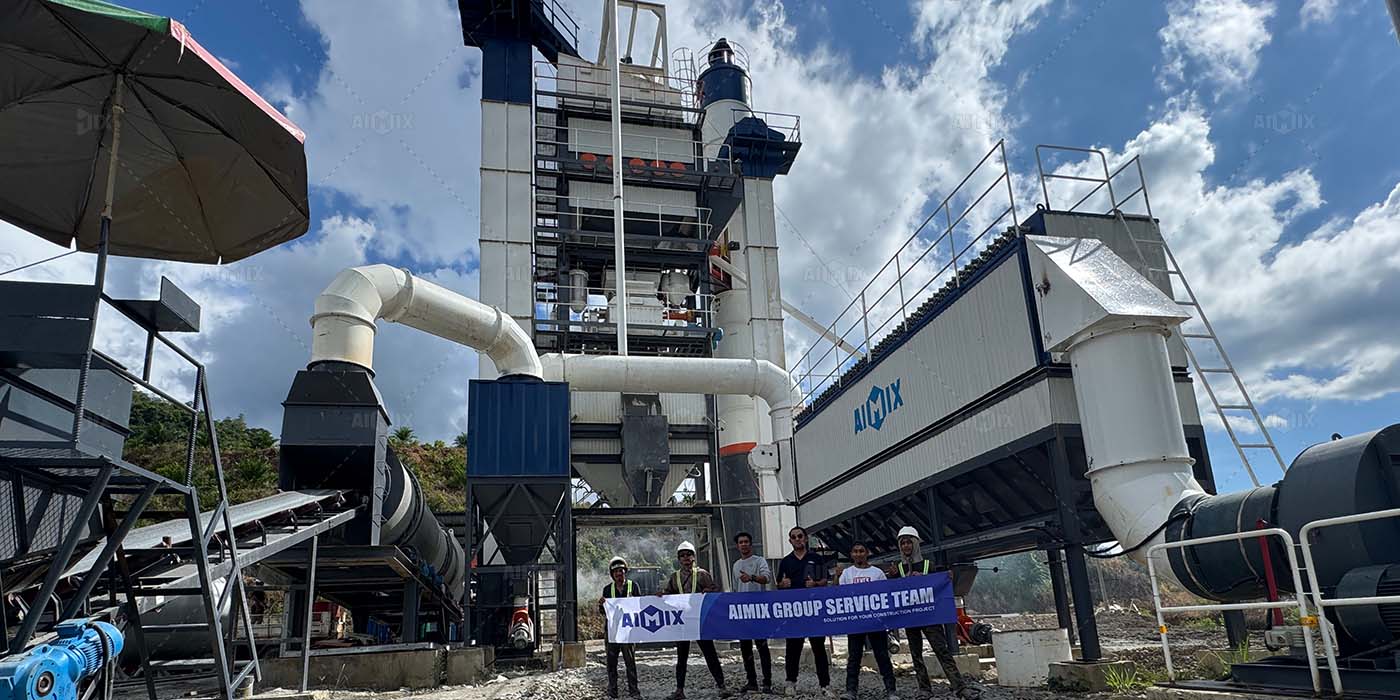
A 100 TPH plant may include cold aggregate bins, a feeding system, drying drum, burner, dust collection system, hot aggregate elevator, vibrating screen, hot aggregate bins, weighing systems, mixer, asphalt storage and control system.
At the same time, the project may need additional equipment and infrastructure outside the standard plant package.
| Investment Item | Typical Planning Range | Purpose |
|---|---|---|
| 100 TPH Asphalt Plant | US$420,000–US$560,000 | Main asphalt production system |
| Site Preparation And Civil Works | US$80,000–US$200,000 | Groundwork, foundations, drainage and access |
| Installation And Commissioning | US$40,000–US$100,000 | Assembly, wiring, testing and startup |
| Loader And Material Handling | US$30,000–US$60,000 | Feeding aggregates into the plant |
| Electrical And Utility Systems | US$20,000–US$60,000 | Power distribution and supporting utilities |
| Laboratory, Weighbridge And Auxiliary Equipment | US$20,000–US$50,000 | Quality control and material management |
| Initial Working Capital | US$100,000–US$250,000 | Fuel, aggregates, bitumen, wages and operations |
| Contingency Reserve | US$50,000–US$100,000 | Unexpected project expenses |
These figures provide a planning framework rather than a fixed quotation. Local labor costs, transport distance, taxes, site conditions, fuel prices and import duties can change the final investment significantly.
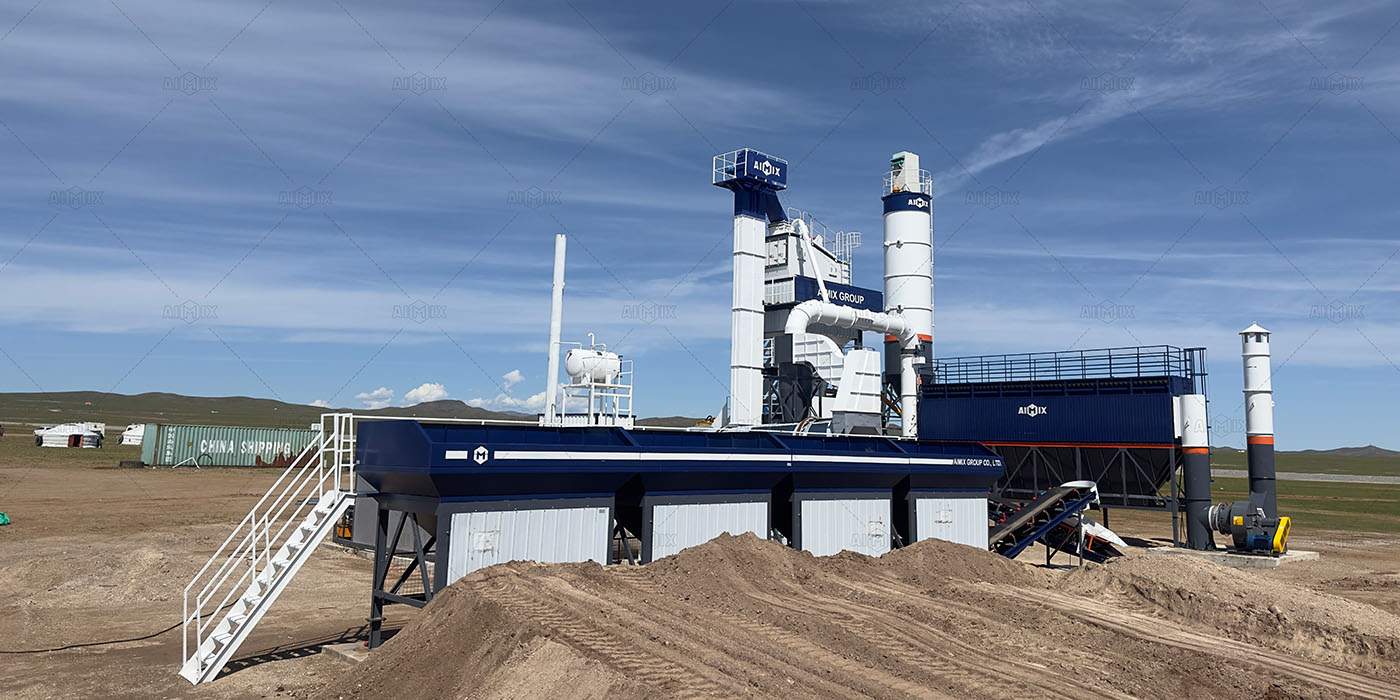
Why Is The Total Investment Higher Than The Plant Price?
The difference becomes clearer when you look at the plant from a contractor’s perspective.
A production plant cannot operate as an isolated machine. It needs a prepared site, reliable power, aggregate stockpiles, bitumen supply, fuel, operators, quality control and transportation arrangements.
Therefore, the investment should be calculated as a complete production system. For example, an aggregate asphalt plant project may require several supporting systems beyond the main mixing unit.
This broader calculation gives investors a better understanding of the capital required before construction begins.
Site Preparation And Foundation
First, the site needs enough space for the plant and material storage. The ground must also support heavy equipment and continuous truck movement.
Depending on local conditions, the project may require leveling, soil improvement, drainage, concrete foundations, access roads and retaining structures.
A flat industrial site may reduce these costs. A remote or uneven site can increase them quickly.
Electrical And Utility Infrastructure
A 100 TPH plant needs stable power for its motors, control system, conveyors, feeders and auxiliary equipment.
Some projects can connect directly to an existing industrial power supply. Others may need transformers, distribution equipment or a dedicated generator.
Consequently, investors should confirm the available power capacity before finalizing the plant configuration.
Aggregate Storage And Feeding
Asphalt production depends on a steady supply of correctly graded aggregates. The plant therefore needs enough stockpile space and an efficient feeding arrangement.
A wheel loader is commonly used to feed cold aggregate bins. The business may also need separate areas for different aggregate sizes.
This matters because poor material organization can slow production even when the asphalt plant itself has enough capacity.
Bitumen And Fuel Storage
Bitumen storage is another important investment. The required storage capacity depends on daily production and the reliability of local supply.
For example, a contractor working far from a refinery or asphalt supplier may need more storage to reduce delivery risks.
Fuel storage also deserves attention. Burner fuel consumption affects both operating cost and storage requirements.
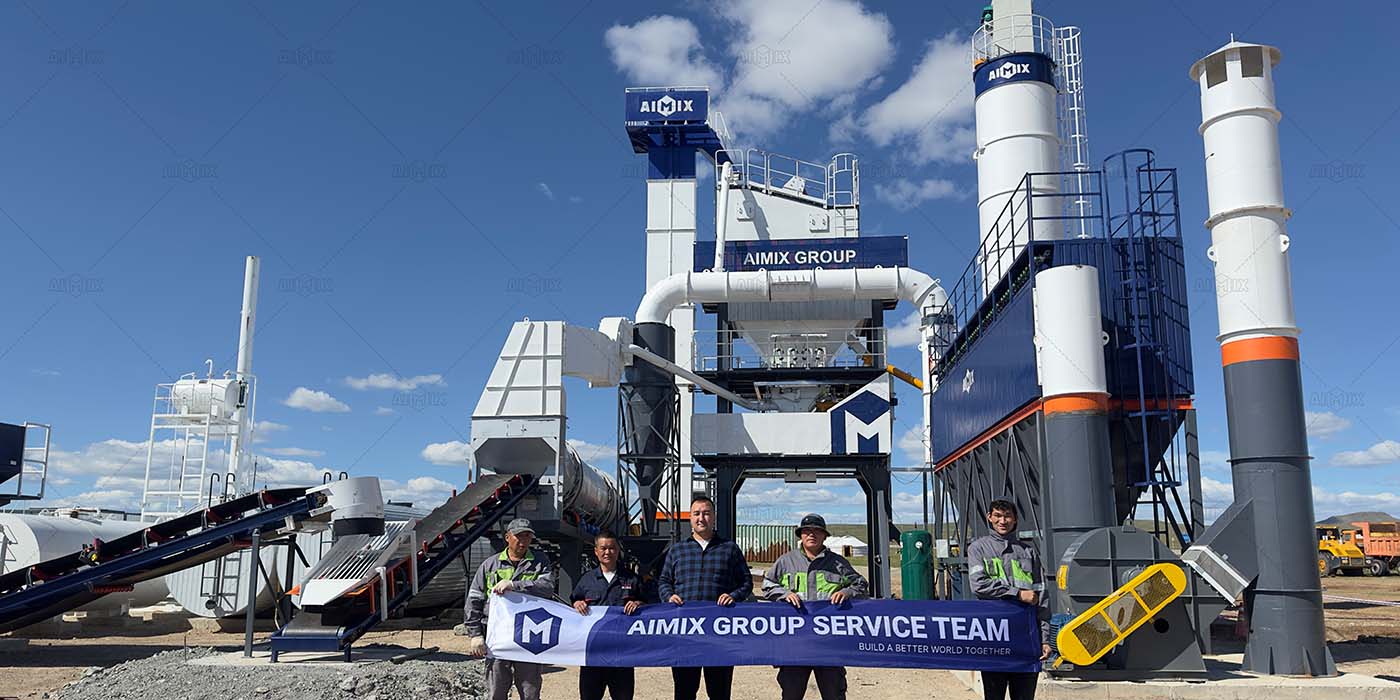
How Much Working Capital Does A 100 TPH Plant Need?
Capital expenditure is only one part of the business plan. Working capital can determine whether the plant operates smoothly after commissioning.
A 100 TPH plant can theoretically produce 800 tons during an eight-hour production day. However, real production rarely reaches the theoretical maximum every day.
Production depends on aggregate supply, mix changes, truck availability, weather, maintenance, paving progress and plant operating hours.
For this reason, investors should not calculate working capital using maximum production alone.
Raw Materials
The major materials include aggregates, bitumen and mineral filler. The business needs enough cash to purchase these materials before receiving payment from customers.
This becomes especially important for road contractors working under project payment schedules.
A contractor may produce asphalt today but receive the related project payment weeks or months later. The plant still needs cash to continue purchasing materials.
Fuel And Electricity
Drying aggregates requires significant thermal energy. Electricity also supports conveyors, feeders, screens, pumps and control systems.
Therefore, energy costs should form a separate line in the operating budget.
Tracking fuel consumption per ton of asphalt can help managers identify abnormal operating costs early.
Labor And Maintenance
A typical operation may require plant operators, loaders, mechanics, electricians, laboratory personnel and site management.
The exact team depends on automation level and local labor conditions.
At the same time, spare parts should not be treated as an optional expense. Wear parts, filters, belts, bearings and electrical components can affect production continuity.
Does A 100 TPH Plant Need A Large Truck Fleet?
Not necessarily.
This is one of the most important decisions for a new investor.
If the company already owns asphalt transport trucks, it may only need to invest in additional vehicles. If the company is starting from zero, purchasing a complete fleet can add hundreds of thousands of dollars to the project.
Therefore, some businesses choose to outsource asphalt transportation or rent trucks during the early stage.
This approach can reduce initial capital pressure. More importantly, it allows the company to test actual demand before buying a large fleet.
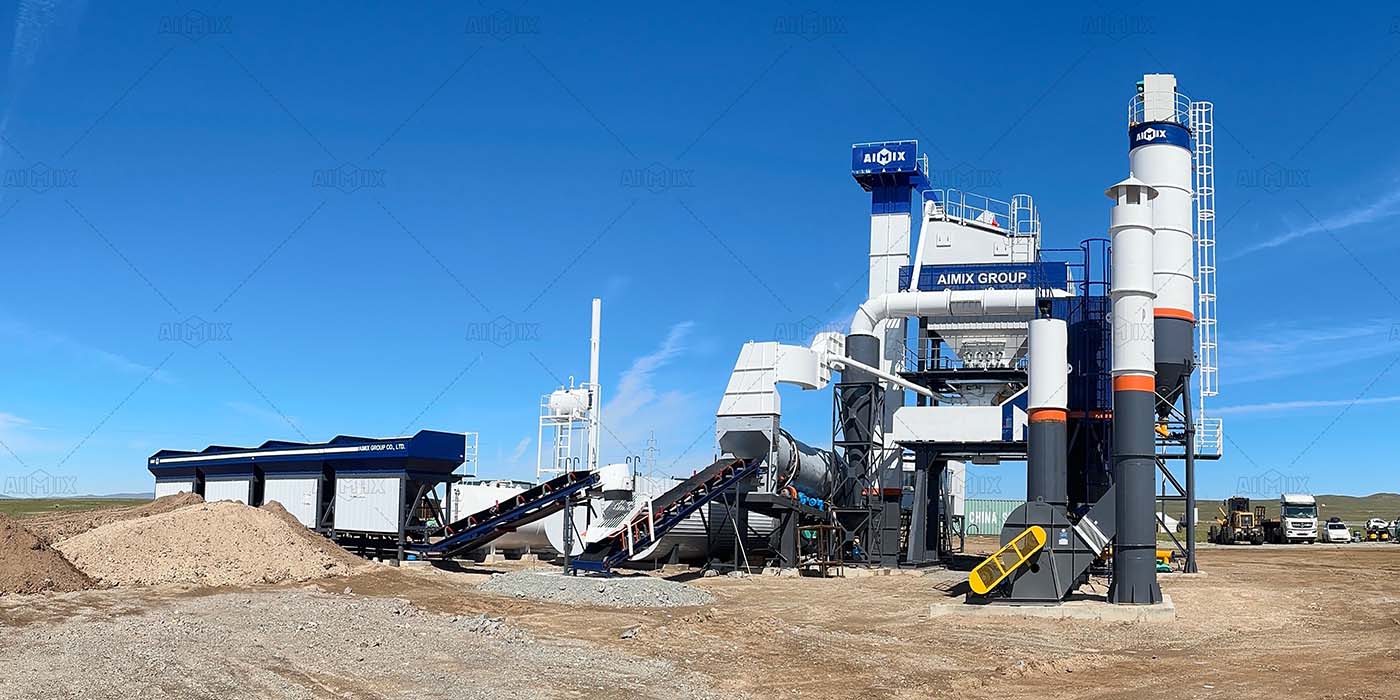
How Much Does The Site Location Affect Investment?
Location can change the economics of a 100 TPH asphalt plant significantly.
A plant located close to a major road project can reduce asphalt transportation costs and improve delivery reliability. However, land and utility costs may be higher near developed areas.
Conversely, a remote site may offer cheaper land but require longer aggregate transportation, additional fuel storage and more complex logistics.
The best location is therefore not always the cheapest land.
Instead, investors should compare the total cost of raw materials, asphalt production and asphalt transportation.
Distance To The Asphalt Project
Asphalt must remain within a suitable temperature range during transportation and paving.
Long delivery distances can create additional fuel costs, transportation requirements and scheduling risks.
For this reason, a plant located reasonably close to the paving project can create value beyond simple land savings.
Distance To Aggregate Sources
Aggregates can represent a major portion of asphalt production cost.
If quality aggregates are available near the plant, the business can reduce inbound transportation expenses.
Therefore, site selection should consider both the asphalt project and the aggregate source.
What Is A Realistic Total Capital Budget?
For a new 100 TPH asphalt plant business, investors can use three broad budget scenarios.
| Investment Scenario | Approximate Capital | Typical Situation |
|---|---|---|
| Lean Setup | US$780,000–US$950,000 | Existing site, limited auxiliary equipment and strong local infrastructure |
| Standard Setup | US$950,000–US$1.20 million | New site preparation, normal storage and supporting equipment |
| Full Setup | US$1.20–US$1.42 million+ | More infrastructure, larger storage, new utilities and additional equipment |
These ranges should help investors build a preliminary budget. They should not replace a project-specific quotation.
In particular, land acquisition, taxes, import duties, financing costs and a large transport fleet can push the total investment above these ranges.
Can A 100 TPH Asphalt Plant Generate Enough Production?
Capacity alone does not determine profitability.
A 100 TPH plant can theoretically produce 100 tons of asphalt mixture per hour under suitable operating conditions. Yet a contractor may not operate at full capacity every day.
For example, an eight-hour shift gives a theoretical production capacity of 800 tons per day.
However, actual output may be lower because of material loading, mix changes, truck waiting time, maintenance, weather and paving schedules.
Therefore, a better investment question is not “Can the plant produce 100 TPH?”
The better question is:
“How many tons can I sell and deliver consistently each month?”
This distinction matters because equipment revenue depends on utilization, not nameplate capacity.
How Should New Investors Estimate Profitability?
A simple business model should connect production volume with selling price and operating cost.
Start with the expected monthly asphalt sales volume. Then estimate the average selling price per ton.
Next, subtract aggregate costs, bitumen costs, fuel, electricity, labor, maintenance, transportation and administrative expenses.
The remaining amount represents the operating margin before financing, tax and depreciation.
For example, if a contractor can consistently sell 20,000 tons per month, the economics may look very different from a business that only sells 5,000 tons.
Therefore, investors should secure realistic project demand before choosing the plant capacity.
Estimate Demand Before Capacity
Review current and upcoming road projects in the target service area.
Check the expected asphalt volume, project duration and paving schedule.
Then estimate how much asphalt the plant could realistically supply.
This approach reduces the risk of purchasing a plant that remains underutilized.
Calculate The Break-Even Volume
Break-even volume tells investors how many tons they need to sell to cover fixed and variable costs.
The calculation should include equipment financing, salaries, site costs, maintenance and other fixed expenses.
It should also include variable costs such as aggregates, bitumen and fuel.
A lower break-even volume generally gives the business more flexibility during periods of weak construction demand.
What Hidden Costs Should Buyers Watch?
Many first-time investors focus heavily on the plant quotation. However, several smaller costs can become significant when combined.
- Shipping and inland transportation
- Import duties and local taxes
- Electrical installation
- Concrete foundations
- Site drainage
- Storage tanks
- Weighbridge installation
- Laboratory equipment
- Operator training
- Initial spare parts
- Environmental compliance
- Insurance
- Working capital
Consequently, buyers should ask suppliers for a complete scope of supply instead of comparing only the equipment price.
Should You Buy A 100 TPH Batch Asphalt Plant?
A 100 TPH batch asphalt plant can make sense for contractors serving medium and large road projects.
It can also suit businesses that expect regular demand from highways, urban roads, industrial parks, airports and other infrastructure projects.
However, the right capacity depends on the local market.
If the business has only a few small projects each year, a smaller plant may reduce capital pressure. If several road projects require continuous asphalt supply, 100 TPH may provide a better balance between capacity and investment.
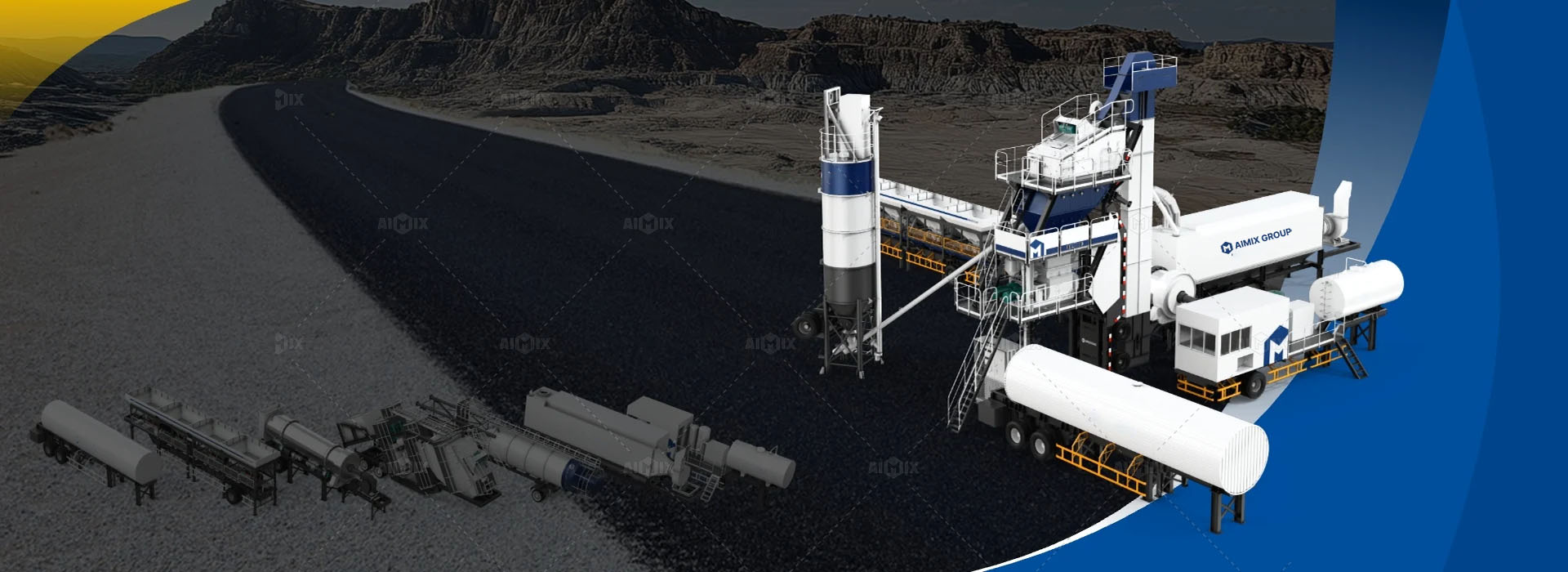
Batch plants also offer useful control over aggregate gradation and asphalt mix production. This can matter when projects require different mix designs or strict quality control. For projects requiring controlled hot-mix production, buyers can also compare available hot mix asphalt plants configurations.
How Can Investors Reduce Initial Capital Pressure?
A lower initial investment does not always mean choosing the cheapest plant.
Instead, investors should control unnecessary spending while protecting production reliability.
Use Existing Infrastructure Where Possible
If the company already owns suitable land, power infrastructure, loaders or transport trucks, these assets can reduce the new capital requirement.
The same principle applies to an existing asphalt business that wants to expand production.
Match Storage To Real Demand
Large storage systems can improve supply security, but they also increase initial investment.
New businesses should match storage capacity with local material supply reliability and project schedules.
Keep A Contingency Fund
Trying to spend every dollar on equipment can create cash-flow problems during commissioning.
A contingency reserve gives the project room to handle unexpected foundation work, transportation costs, spare parts or utility upgrades.
For a major equipment investment, keeping roughly 5% to 10% of the planned capital as a contingency reserve can provide useful protection.
What Should You Ask An Asphalt Plant Supplier Before Buying?
A serious asphalt mixing plant supplier should help buyers evaluate the complete project rather than simply provide a machine price.
Before signing a purchase contract, ask for clear information about the following points:
- What equipment is included in the quoted price?
- What is the actual rated capacity under normal working conditions?
- What power supply does the plant require?
- What fuel options can the burner use?
- What site area does the complete plant need?
- What foundation requirements should the buyer prepare?
- What installation services are included?
- How are spare parts supplied?
- What operator training is available?
- What after-sales support is available locally?
- What are the estimated shipping and installation costs?
These questions help turn a basic equipment quotation into a more realistic project budget.
How Can AIMIX Help Plan A 100 TPH Asphalt Plant Project?
For investors who are still comparing equipment configurations, AIMIX can help evaluate the project from the production side.
The equipment selection can consider expected asphalt demand, project location, aggregate characteristics, fuel availability, required mix types and operating conditions.
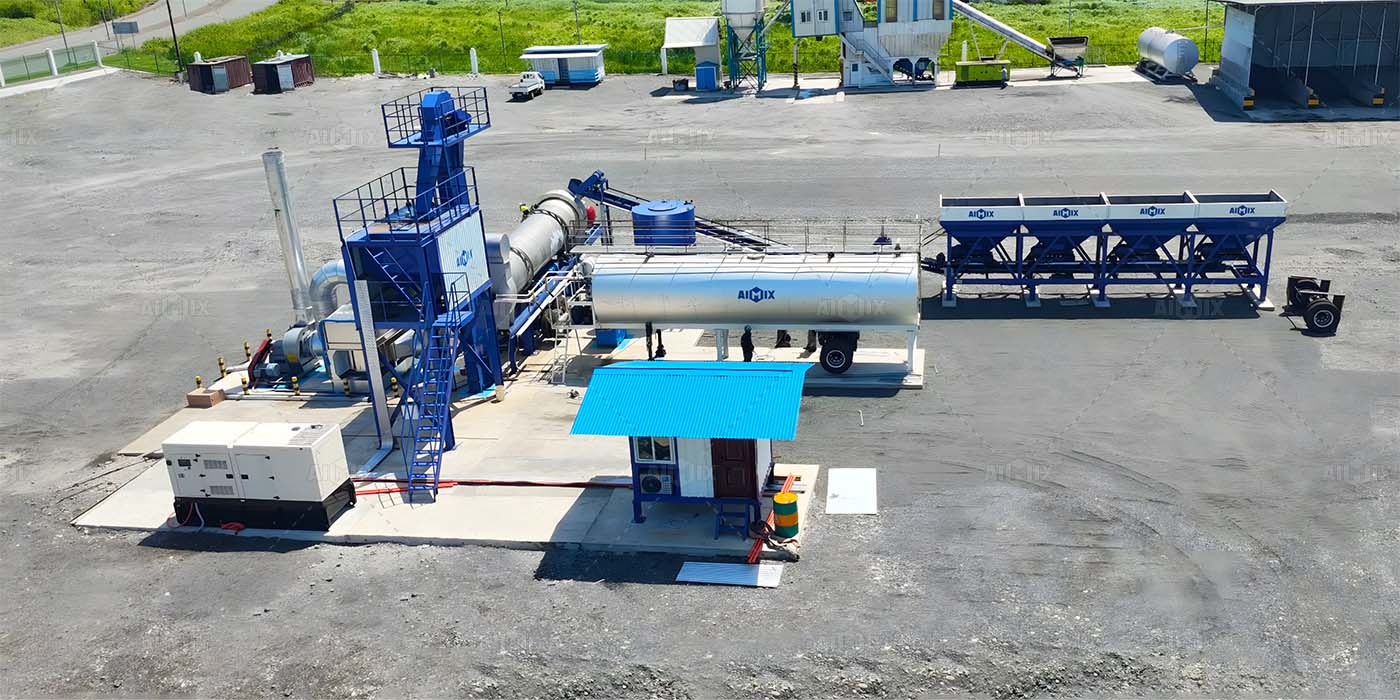
For a 100 TPH project, the solution can also consider supporting equipment such as aggregate feeding, asphalt storage, dust collection, electrical systems and material handling.
More importantly, the final configuration should match the customer’s actual project rather than simply maximize the equipment specification.
A detailed quotation can then separate the major equipment cost from installation, transportation and other project expenses.
Final Investment Checklist
Before investing in a 100 TPH asphalt plant business, make sure you can answer five key questions.
- Do I have enough confirmed asphalt demand?
- Can my site support the plant and material storage?
- Can I secure aggregates, bitumen and fuel reliably?
- Do I have enough working capital after buying the equipment?
- Can my expected monthly production support the investment?
If the answers are clear, the investment decision becomes much easier.
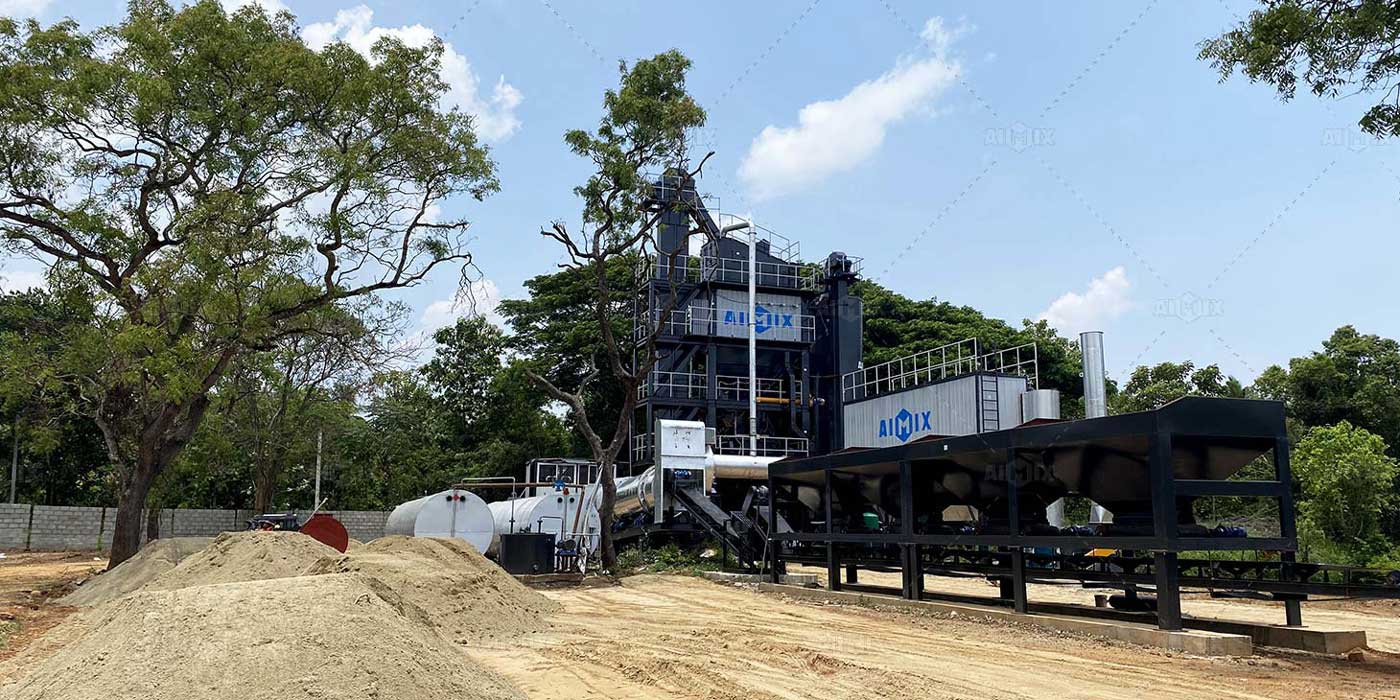
Plan Your 100 TPH Asphalt Plant Investment With Real Numbers
A 100 TPH asphalt plant business may require around US$780,000 to US$1.42 million in total project capital under a typical planning scenario. The asphalt plant itself may account for roughly US$420,000 to US$560,000, while site preparation, utilities, installation, auxiliary equipment, working capital and contingency funds make up the remaining investment.
Still, no two projects have exactly the same budget.
The most reliable approach is to calculate the investment around your actual project location, asphalt demand, raw material sources, site conditions and financing plan.
If you are considering a 100 TPH asphalt plant, contact an asphalt plant supplier for a project-specific equipment configuration and quotation. Share your target capacity, project location, expected production volume and site conditions. A more detailed cost assessment can then help you understand the required capital before making a major investment.