
The construction industry is experiencing a period of sustained demand. Residential, commercial, and infrastructure projects are competing for concrete. Contractors who rely on ready-mix suppliers face delays, minimum order constraints, and price volatility. A small concrete batching plant offers an alternative. The capital investment is significant. The return on investment can be rapid. This article analyses the financial case for purchasing a small concrete batch plant. It examines the price range for a 20 to 40 cubic metre per hour plant. It calculates the ROI based on production volume and cost savings. It argues that current market conditions—rising ready-mix prices and extended delivery lead times—make this an opportune time to invest. The analysis is quantitative. The conclusion is that a small batching plant can pay for itself within 12 to 18 months under reasonable operating assumptions.
Price: What a Small Batching Plant Costs
Equipment Price Range
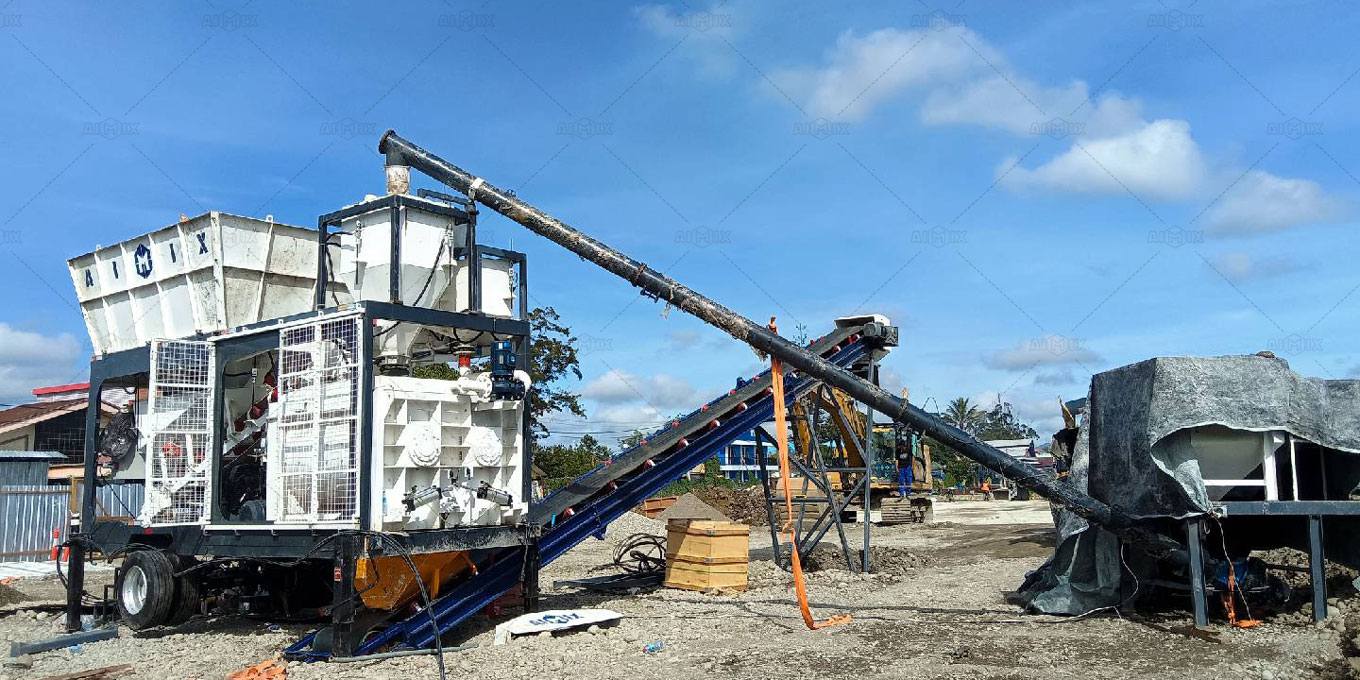
A small concrete batching plant with a capacity of 20 to 40 cubic metres per hour costs between $50,000 and $150,000. The price varies by configuration. A basic plant with a single cement silo, two aggregate bins, and a manual control system is at the lower end. A plant with a twin-shaft mixer, four aggregate bins, and a fully automatic control system is at the higher end. The buyer must also budget for delivery, installation, and commissioning. These costs add 10 to 20 percent to the equipment price. The total investment for a functional plant is $60,000 to $180,000. The argument is that this investment is accessible to many small and medium contractors. Financing is available through equipment lenders. The monthly payment on a $100,000 loan over 60 months is approximately $2,000 to $2,500, depending on the interest rate.
Operating Costs
The operating cost of concrete batching plant small size includes electricity, labour, maintenance, and materials. The electricity cost for a 30 cubic metre per hour plant is $10 to $20 per hour of operation. The labour cost is $20 to $40 per hour for a plant operator and a loader operator. The maintenance cost is $5 to $10 per hour. The total operating cost is $35 to $70 per hour. At 1,000 operating hours per year, the annual operating cost is $35,000 to $70,000. The argument is that these costs are predictable. They are also lower than the cost of purchasing ready-mix concrete. The savings on material alone often exceed the operating cost.
ROI: Calculating the Payback Period
Savings Compared to Ready-Mix
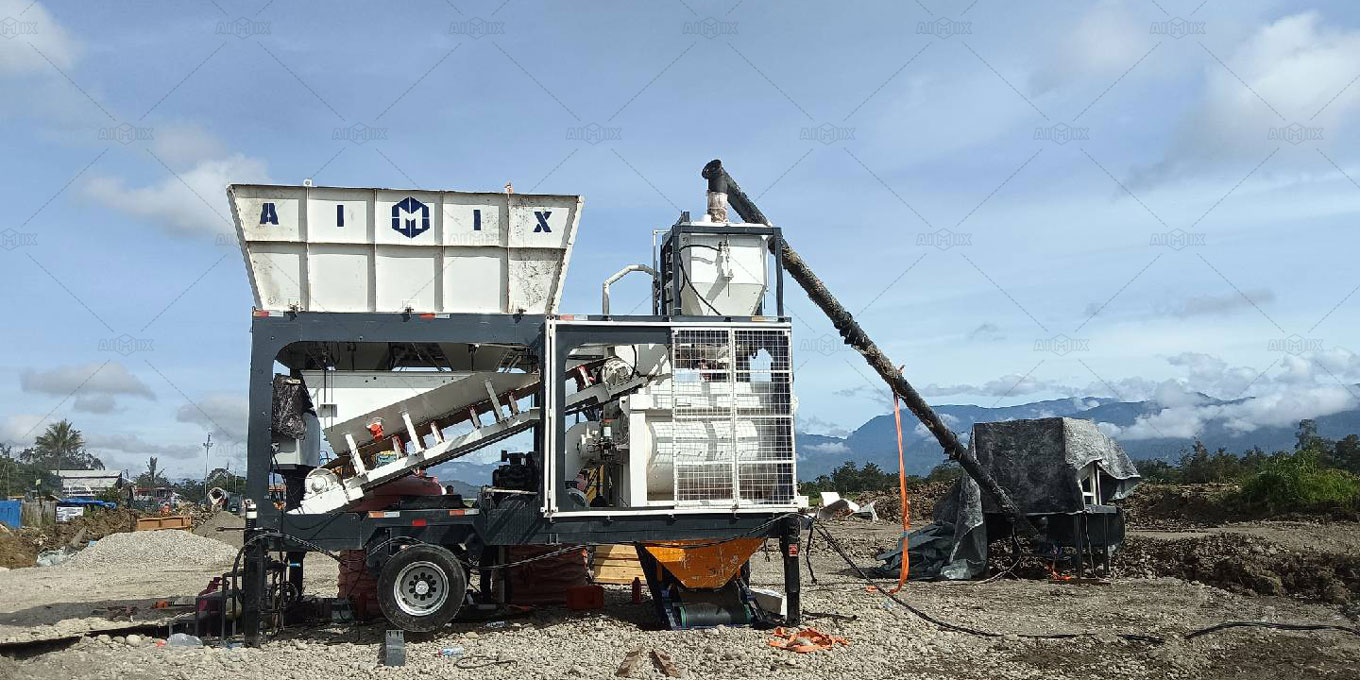
The cost of ready-mix concrete varies by market. A typical delivered price is $100 to $150 per cubic metre for standard mix. The material cost of producing concrete on site is $50 to $80 per cubic metre. The saving is $20 to $70 per cubic metre. A mini concrete batching plant for sale producing 10,000 cubic metres per year saves $200,000 to $700,000 annually compared to ready-mix. The argument is that even the lower end of this range exceeds the annual operating cost. The net saving is substantial. The payback period for a $100,000 plant producing 10,000 cubic metres per year with a saving of $20 per cubic metre is 6 months. ($100,000 / ($20 x 10,000) = 0.5 years). The payback period for a $150,000 plant with a saving of $15 per cubic metre and annual production of 8,000 cubic metres is 15 months. ($150,000 / ($15 x 8,000) = 1.25 years). The argument is that payback periods of 6 to 18 months are realistic for contractors who can achieve steady production.
Revenue from Concrete Sales
The contractor who produces concrete for their own projects captures the saving. The contractor who sells concrete to other builders captures additional revenue. The selling price is typically $5 to $10 per cubic metre below the ready-mix price. The margin is $45 to $70 per cubic metre. A plant selling 5,000 cubic metres per year generates $225,000 to $350,000 in gross profit. The payback period for a $150,000 plant is 5 to 8 months. The argument is that selling concrete accelerates the ROI. It also requires additional effort. The contractor must find customers, schedule deliveries, and manage accounts receivable. The decision to sell or not depends on the contractor’s business model. Both paths can be profitable.
Why Now: Market Conditions Favour Investment
Rising Ready-Mix Prices
Ready-mix concrete prices have increased in many markets. The drivers are higher cement costs, increased transportation expenses, and labour shortages. The trend is expected to continue. The argument is that rising ready-mix prices improve the economics of on-site batching. The saving per cubic metre increases. The payback period shortens. Contractors who invest now lock in a lower cost of production. They are insulated from future price increases. Contractors who delay investment will continue to pay the rising ready-mix price. The cumulative cost of waiting can exceed the cost of the plant.
Extended Delivery Lead Times
Ready-mix suppliers are struggling to meet demand. Delivery lead times have extended. Contractors report waiting hours for trucks. The delays disrupt schedules. They increase labour costs. They cause cold joints in concrete. The argument is that the non-financial costs of ready-mix delays are significant. A concrete batch plant for sale that provides concrete on demand eliminates these delays. The contractor controls the schedule. This control has value. It is difficult to quantify. It is also difficult to ignore. Contractors who value schedule certainty are increasingly turning to on-site batching.
The analytical conclusion is that a small concrete batching plant offers a compelling financial case. The price is accessible. The ROI is rapid. The market conditions favour investment. Rising ready-mix prices and extended delivery lead times increase the value of on-site production. Contractors who invest now will gain a competitive advantage. They will reduce their concrete costs. They will control their schedules. They will improve their margins. The argument is that the question is not whether to invest. The question is whether to invest now or later. The evidence favours now.