
The RMC plant cost is becoming a central consideration for investors and contractors as the construction industry moves toward digitalization and intelligent manufacturing. Ready mix concrete (RMC) production is no longer just a mechanical process—it is evolving into a highly automated, data-driven system that improves efficiency, reduces waste, and enhances production consistency. As a result, modern investment decisions are increasingly influenced not only by initial setup cost but also by long-term operational intelligence and lifecycle performance.
With the rapid expansion of infrastructure development worldwide, intelligent concrete production systems are reshaping how batching plants are designed, operated, and optimized. These systems integrate automation, real-time monitoring, and advanced control technologies to ensure higher productivity and lower operational costs.
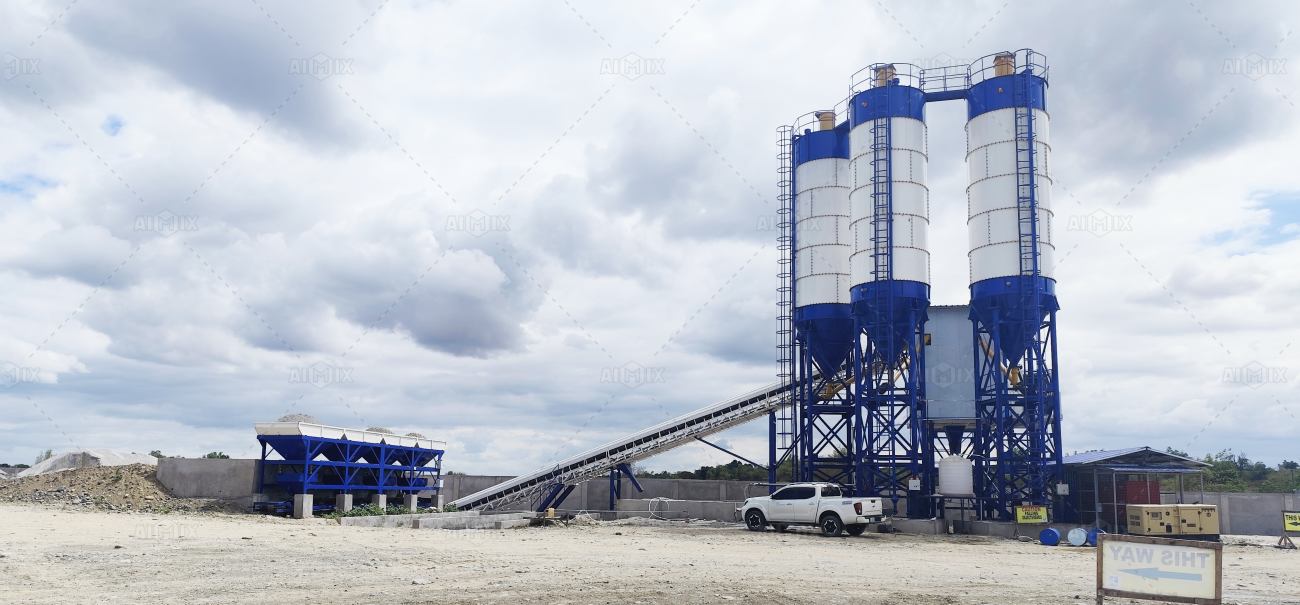
RMC Plant Cost in Modern Investment Planning
When evaluating RMC plant cost, investors must consider multiple factors beyond the initial purchase price. These include equipment configuration, production capacity, automation level, installation expenses, and long-term maintenance costs. A small-scale plant may require lower initial investment, while large-scale industrial plants demand higher capital but offer significantly greater output efficiency.
One of the most important trends in the industry is the shift from low-cost basic plants to intelligent production systems. Although intelligent plants may have a higher upfront cost, they reduce labor requirements, minimize material waste, and improve batching accuracy, ultimately lowering the total cost of production over time.
For investors learning how to start rmc plant, understanding cost structure is essential for building a sustainable business model. A well-planned investment includes site selection, equipment selection, raw material supply chain, and logistics planning.
Intelligent Concrete Production Systems and Industry Evolution
The future of RMC production is closely tied to intelligent automation. Modern plants are equipped with computerized control systems that manage material weighing, mixing cycles, and quality control in real time. These systems reduce human error and ensure consistent concrete quality across large production volumes.
Advanced sensors and IoT-enabled devices allow operators to monitor plant performance remotely. Data analytics helps identify inefficiencies, optimize material usage, and predict maintenance needs before equipment failure occurs. This predictive maintenance approach significantly reduces downtime and operational disruptions.
As digital transformation continues, RMC plants are becoming more integrated with cloud-based management systems, enabling centralized control of multiple production sites.
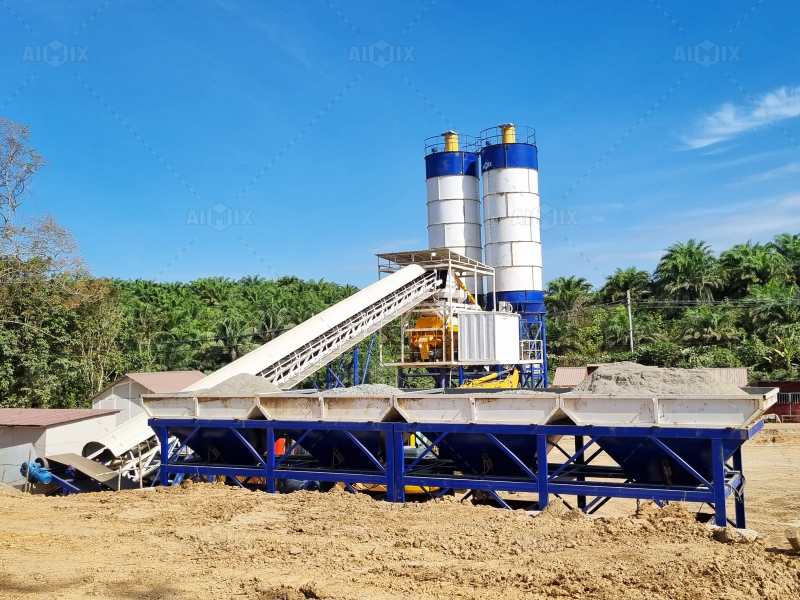
Global Market Demand and Regional Development
The demand for intelligent RMC systems is growing rapidly in global markets, including Asia, the Middle East, and Europe. In Southeast Asia, the ready mix plant Singapore market reflects a strong focus on high-efficiency and environmentally compliant systems due to strict urban construction standards and limited land availability.
Singapore’s construction industry emphasizes automation, precision, and sustainability, making intelligent RMC plants highly suitable for urban infrastructure projects such as high-rise buildings and transportation systems.
In developing regions, demand is driven by infrastructure expansion and urbanization. Governments and private contractors are increasingly investing in modern RMC systems to support highways, bridges, and industrial development projects.
Role of RMC Plant Manufacturers in Technology Advancement
A reliable RMC plant manufacturer plays a critical role in shaping the future of intelligent concrete production systems. Manufacturers are now focusing on integrating automation, modular design, and energy-efficient technologies into their equipment.
Leading manufacturers provide customized solutions based on project requirements, including mobile, stationary, and modular plant configurations. They also offer technical support, installation services, and training programs to ensure smooth plant operation.
In addition, many manufacturers are investing in research and development to improve mixing efficiency, reduce energy consumption, and enhance environmental performance through dust control and recycling systems.
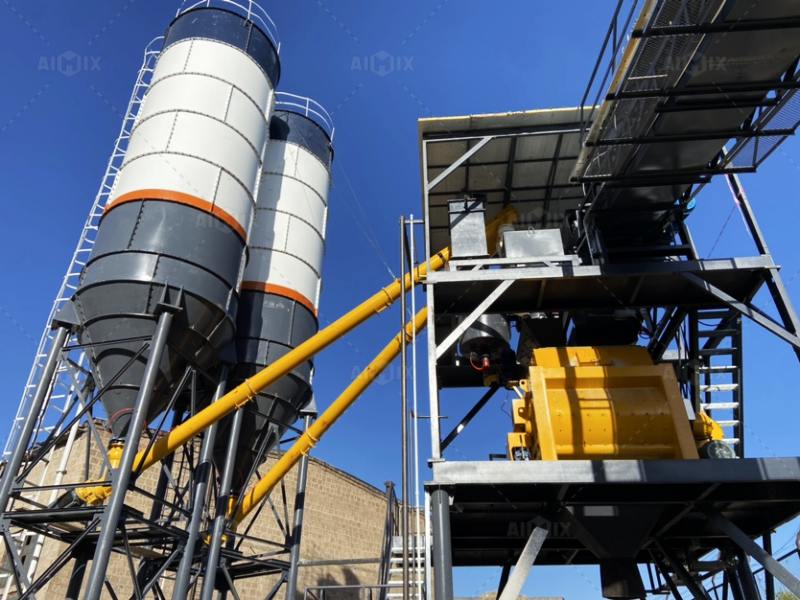
Cost Optimization and Long-Term Business Strategy
Although initial RMC plant investment can be significant, long-term cost optimization is achieved through improved efficiency and reduced operational expenses. Intelligent systems reduce labor costs, minimize material wastage, and improve production consistency.
For contractors entering the ready mix industry, a strategic approach to cost management includes selecting scalable plant configurations, planning material supply chains, and adopting automated systems that support future expansion.
Understanding lifecycle cost rather than just initial RMC plant cost helps businesses achieve higher return on investment and long-term stability in competitive construction markets.
Conclusion
The evolution of intelligent concrete production systems is transforming the global RMC industry. As automation, digital control, and data-driven technologies continue to develop, RMC plants are becoming more efficient, sustainable, and cost-effective.
Whether analyzing RMC plant cost, exploring how to start rmc plant, or selecting a reliable RMC plant manufacturer, investors must consider both current expenses and future technological advantages.
In markets such as the ready mix plant Singapore sector and beyond, intelligent production systems are setting new standards for efficiency and sustainability, shaping the future of global concrete manufacturing.