
When planning rural roads construction, contractors should evaluate an asphalt drum mix plant as a system, not just a purchase price. Start by benchmarking how much does an asphalt mixing plant cost using comparable capacity, options, and installation scope from asphalt mixing plant manufacturers. Then verify drum drying efficiency under local weather and aggregate variability. Track fuel consumption stability during representative test runs, not stand-alone specs. Finally, judge manufacturer support quality through spare-part lead times, commissioning responsiveness, and real field troubleshooting history. This approach reduces downtime risk and improves long-distance village road paving productivity.
Cost Comparison That Holds Up in Rural Roads Construction
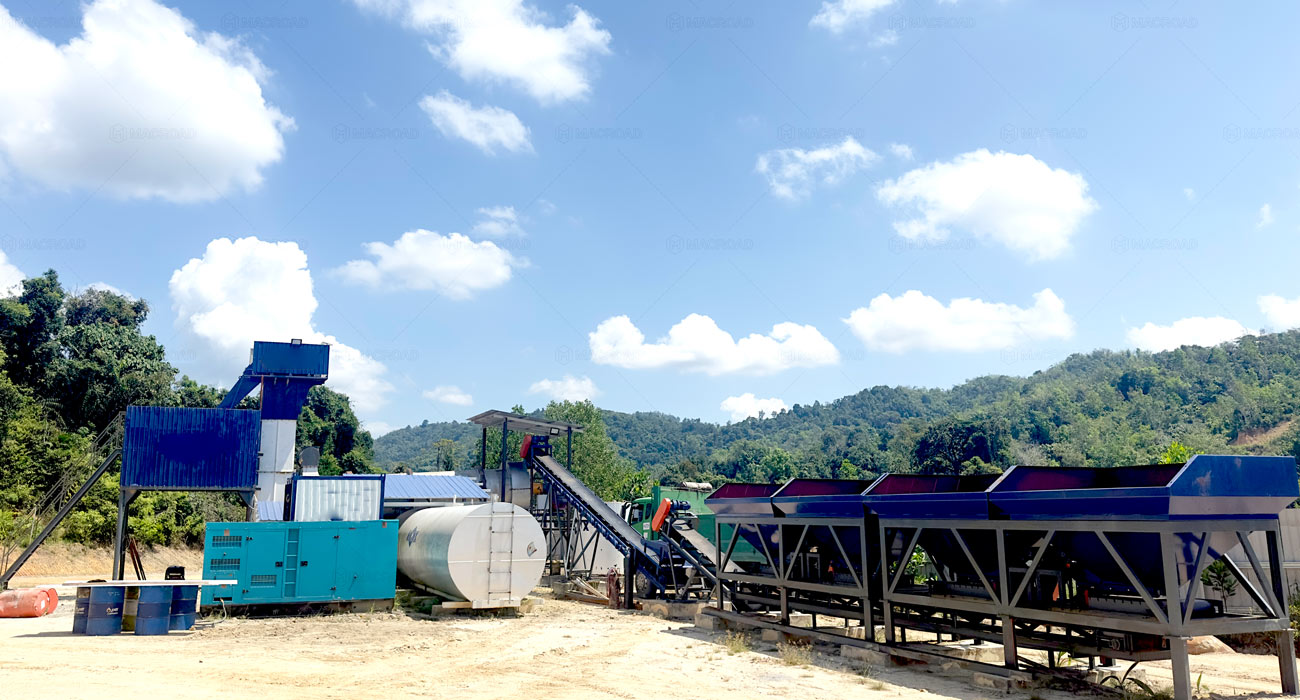
Contractors should first normalize quotations when checking how much does an asphalt mixing plant cost across asphalt mixing plant manufacturers. Compare delivered scope: foundations, electrical interfaces, burner package, controls, dust collection, and any required transport or lifting plan. If rural roads construction includes remote staging sites, include road access constraints, crane requirements, and commissioning travel in the effective cost.
Next, evaluate whether the stated production rate matches the actual recipe you will run. Asphalt drum mix plant cost discussions often hide differences in drum heating zones, burner rating, and control tuning for different gradations. Specifically, ask each manufacturer to demonstrate a full production workflow using your target aggregate moisture range and typical binder grade, then price the plant options that make that performance repeatable.
In light of this, build a simple cash-flow view of ownership. Even if the upfront price is similar, rural roads construction can magnify operating differences. If the asphalt drum mix plant requires more operator intervention or frequent filter maintenance, labor and downtime become part of the cost equation. Conversely, a plant that stabilizes operation can reduce rework and extend planned paving windows.
Drum Drying Efficiency and Productivity Over Long Distances
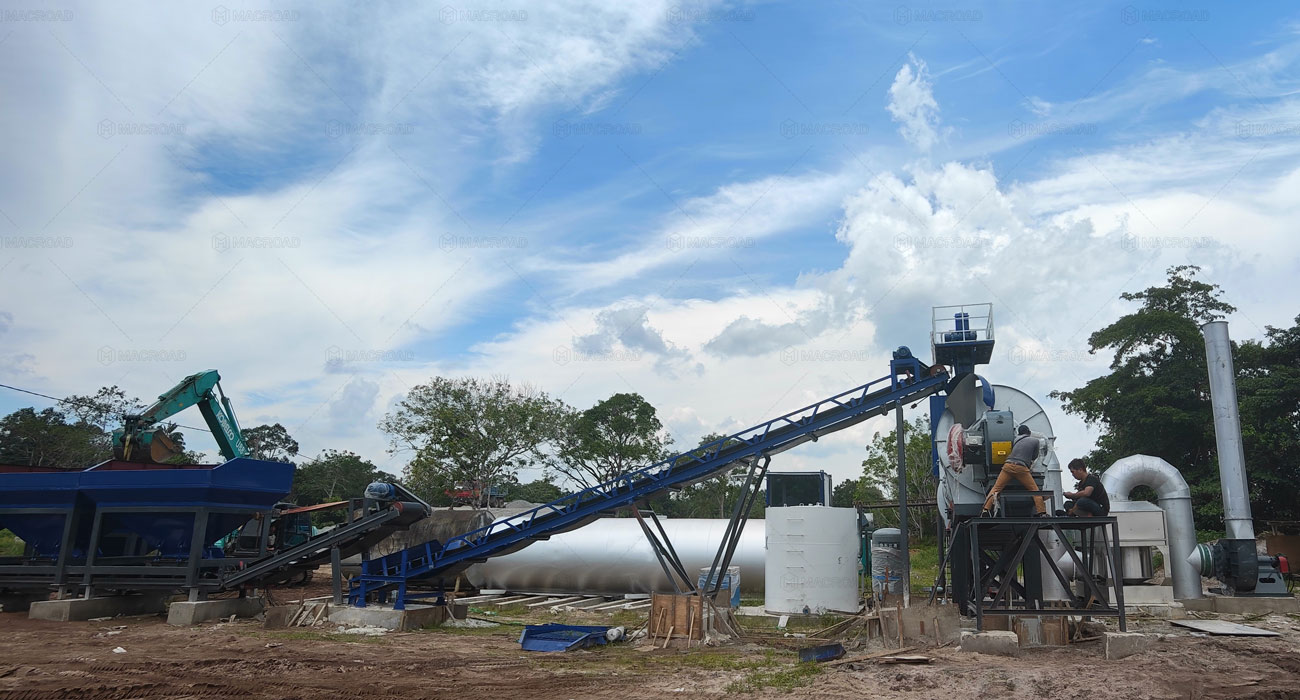
Drum drying efficiency directly affects mix uniformity, which influences paving consistency along long hauls. For rural roads construction, you often face fluctuating aggregate moisture before loading. Assess how the asphalt drum mix plant handles wet feed without over-drying, because overly aggressive drying can drive excessive binder aging and reduce compaction window.
To compare asphalt drum mix plant manufacturers fairly, request evidence of drying control behavior under changing moisture and airflow conditions. During trials, verify stable drum outlet temperature recovery and consistent aggregate heating without sharp swings. Specifically, measure how quickly the plant returns to steady operation after feed interruptions and how it maintains moisture removal efficiency when ambient conditions shift across days.
From a logistics perspective, the drum’s ability to produce uniform mix reduces segregation risk during transport. A plant with stable drum drying efficiency supports consistent gradation at paving, which helps avoid patchy compaction on village road sections. Consequently, long-distance village road paving productivity improves when mix quality stays predictable from dispatch through onsite laydown.
Fuel Consumption Stability and Manufacturer Support Quality
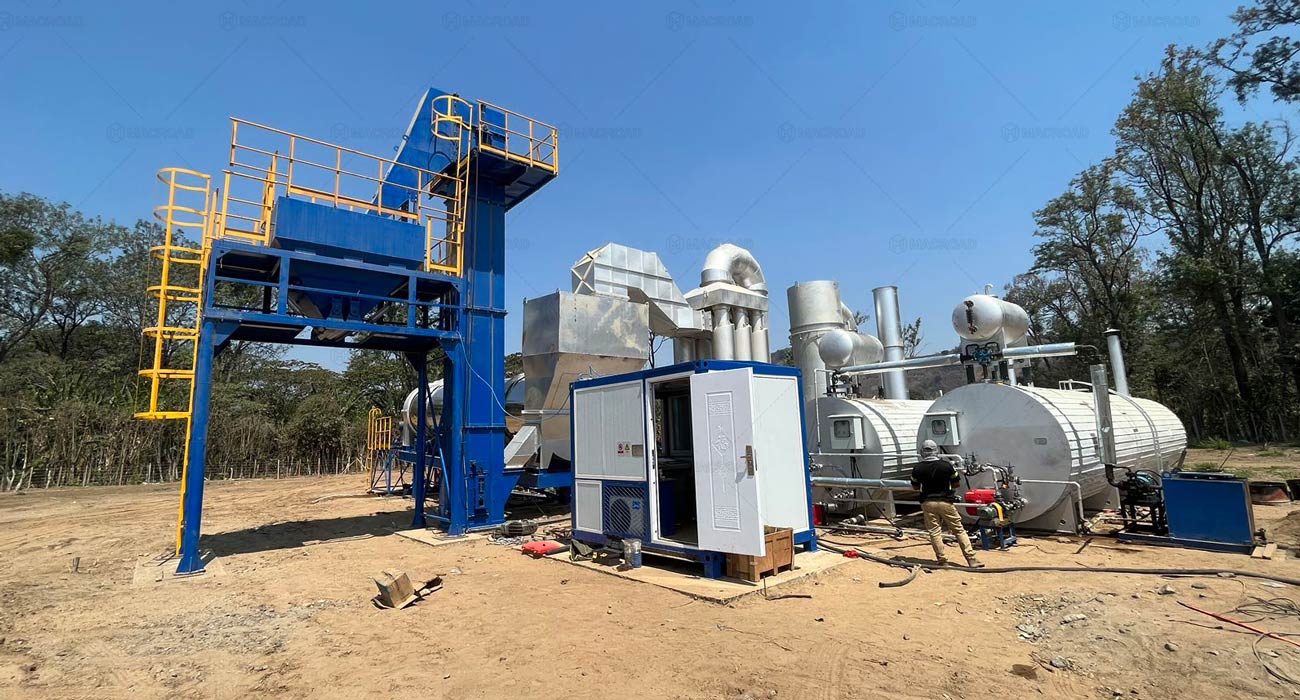
Fuel consumption stability is a measurable lever for operational planning, especially when contractors must run the asphalt drum mix plant over extended rural schedules. When you are comparing how much does an asphalt mixing plant cost, also ask what fuel consumption behavior the asphalt drum mix plant will show across real operating regimes: startup, steady production, and partial load. Conversely, a lower price plant may incur higher fuel burn if burner control and heat recovery are less robust.
Also evaluate how maintenance affects fuel stability. Burner fouling, dust collector conditions, and airflow leaks can quietly raise fuel use and reduce drying efficiency. During vendor trials, observe whether the plant maintains stable burner modulation and whether operators can keep combustion consistent without frequent adjustments. If rural roads construction requires frequent location changes, consider whether the system design supports faster re-tuning without extended downtime.
Finally, manufacturer support quality can make or break project schedules. Assess spare-part lead times, the availability of wear components, and how quickly engineers respond to commissioning or troubleshooting. Specifically, request references from comparable rural sites and ask how the asphalt mixing plant manufacturers handle remote diagnostics, emergency part shipments, and training for local operators. Consequently, stronger support quality reduces downtime during paving surges and helps protect productivity for long-distance village road projects.
Conclusion
For rural roads construction, contractors should evaluate an asphalt drum mix plant using a balanced comparison across effective cost, drum drying efficiency, fuel consumption stability, and manufacturer support quality. Normalize how much does an asphalt mixing plant cost by comparing delivered scope and test-proven configuration. Verify drying performance under your aggregate moisture variability and observe stability during realistic production trials. Then prioritize fuel burn consistency and operator workload, because rural logistics amplify operational deviations. Strong asphalt mixing plant manufacturers support reduces schedule risk and sustains long-distance village road paving productivity.