
For highway contractors in Malaysia, selecting the right asphalt plant capacity is one of the most important decisions before starting a large road construction project. When the production target reaches around 1,500 tons of asphalt mixture per day, the contractor must carefully evaluate plant capacity, paving speed, transportation conditions, project duration, and future business opportunities.
Many contractors initially focus on one question: “Should I buy a 120 TPH, 160 TPH, or higher-capacity asphalt plant?” However, the answer is not only determined by the daily asphalt requirement. A successful highway project requires a complete production system where the asphalt plant, aggregate supply, trucks, and paving equipment work together efficiently.
In Malaysia, road construction conditions can vary significantly. Highway projects near Kuala Lumpur may face heavy traffic restrictions, while projects in Sabah and Sarawak may involve longer transportation distances and more challenging logistics. In addition, tropical rainfall can interrupt paving schedules. Therefore, contractors should choose an asphalt plant capacity based on realistic production conditions instead of only considering the maximum rated output.
For a daily production target of 1,500 tons, many contractors usually evaluate asphalt plants in the 120-200 TPH range. The final choice depends on how many working hours are available, how strict the construction deadline is, and whether the company plans to use the equipment for future projects.
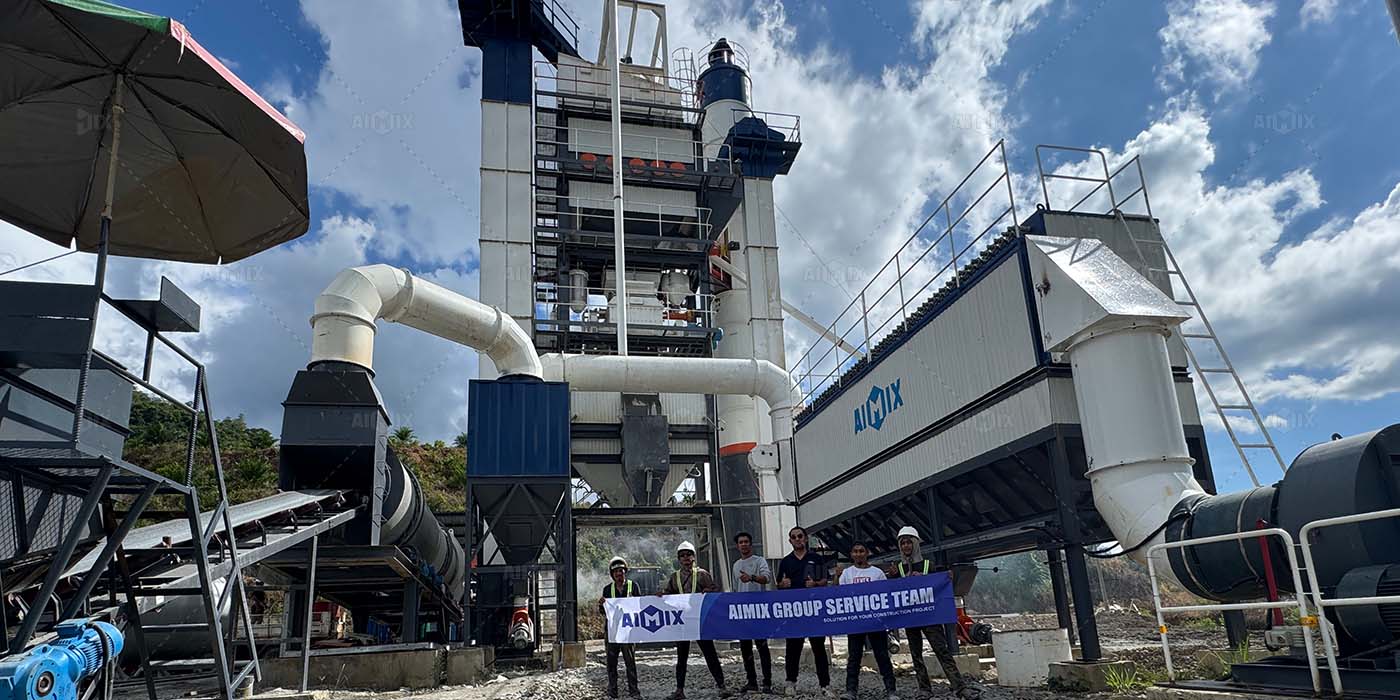
Calculate Asphalt Plant Capacity From The 1,500 Tons Daily Target
Before selecting an asphalt plant, contractors should convert the daily asphalt demand into hourly production requirements. This calculation provides a clearer understanding of the required TPH capacity.
The basic formula is:
Required TPH = Daily Asphalt Production ÷ Working Hours Per Day
For example, if a highway contractor needs to produce 1,500 tons of asphalt per day, the required capacity changes according to operating time.
| Daily Working Hours | Required Production Rate | Recommended Consideration |
|---|---|---|
| 8 Hours | Approximately 188 TPH | 200 TPH class asphalt plant |
| 10 Hours | Approximately 150 TPH | 160 TPH asphalt plant |
| 12 Hours | Approximately 125 TPH | 120-160 TPH asphalt plant range |
From this calculation, we can see that the same 1,500 tons per day target can require different plant capacities. A contractor operating longer shifts may successfully use a smaller plant, while a project with limited working hours may require a larger model.
However, theoretical calculation is only the first step. Actual asphalt production depends on material moisture, equipment efficiency, truck availability, maintenance time, and weather conditions.
Why Contractors Should Not Choose Asphalt Plant Capacity Based Only On Rated Output
Although TPH is an important indicator, the rated capacity does not always represent the actual daily production achieved on a construction site. Highway projects involve many variables that can reduce production efficiency.
For example, a 160 TPH asphalt plant does not automatically produce 1,600 tons every 10-hour working day. The actual output depends on whether the aggregate supply is continuous, whether trucks arrive on time, and whether paving operations can consume the produced asphalt.
Therefore, experienced highway contractors usually select equipment with a reasonable production margin.
Important Factors Affecting Real Asphalt Production
- Aggregate Moisture: Wet materials require more drying energy and may reduce production efficiency.
- Truck Transportation: Long distances between the plant and paving site can slow asphalt delivery.
- Weather Conditions: Heavy rainfall may interrupt asphalt paving operations.
- Maintenance Time: Regular inspection and maintenance influence daily operating hours.
- Mix Design Requirements: Special asphalt mixtures may require more precise production control.
Because of these factors, contractors normally avoid operating an asphalt plant continuously at 100% capacity. A production buffer helps maintain stable asphalt supply and reduces the risk of project delays.
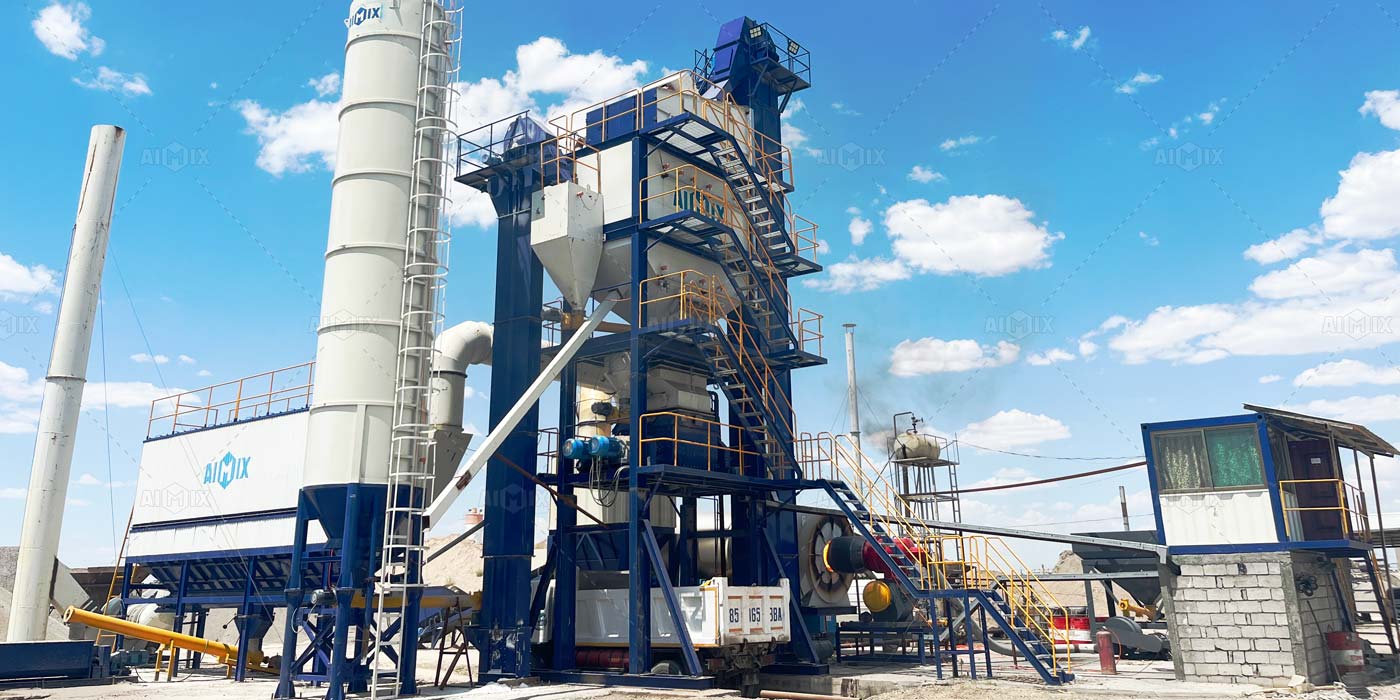
Is A 120 TPH Asphalt Plant Enough For Producing 1,500 Tons Per Day?
A 120 TPH asphalt plant is a popular choice for many road construction projects because it provides a balance between investment and production ability. However, whether it can achieve 1,500 tons per day depends on operating hours and actual efficiency.
For example:
| Production Condition | Calculation | Estimated Output |
|---|---|---|
| Maximum Capacity | 120 TPH × 10 Hours | 1,200 Tons |
| Maximum Capacity | 120 TPH × 12 Hours | 1,440 Tons |
| With Higher Efficiency | 120 TPH Extended Operation | Close To 1,500 Tons |
A 120 TPH plant may work for a 1,500-ton daily target when the contractor has sufficient working hours, efficient logistics, and stable material supply. However, the project will have less flexibility compared with a higher-capacity solution.
For highway projects with strict completion deadlines, contractors often prefer additional capacity because delays can create significant costs. When paving equipment, labor, and transportation resources are already arranged, insufficient asphalt supply can affect the entire construction schedule.
Why 160 TPH Asphalt Plants Are Common For Highway Projects
For many contractors targeting around 1,500 tons of asphalt production per day, a 160 TPH asphalt plant provides a practical balance between productivity and investment.
A 160 TPH plant can theoretically produce:
160 Tons/Hour × 10 Hours = 1,600 Tons/Day
This means the contractor can achieve the daily target without continuously pushing the equipment to maximum output.
More importantly, the additional capacity provides flexibility when unexpected problems occur. For example, if rain reduces working hours or truck delivery becomes slower, the contractor still has a better chance of maintaining the project schedule.
For highway contractors who handle multiple projects, investing in a 160 TPH solution can also create long-term value because the equipment can support larger projects in the future.
Choose The Right Asphalt Plant Type For Malaysia Highway Projects
After determining the required TPH, contractors should also consider the asphalt plant type. Capacity alone does not guarantee successful operation. The production method, mobility, and quality control system also influence project performance.
For highway projects requiring consistent asphalt quality, many contractors prefer a batch type asphalt plant because it provides accurate weighing and better control over different asphalt mix designs.
Batch production is especially suitable when highway specifications require stable mixture quality for base courses, binder courses, and surface layers.
Batch Production Benefits For Large Highway Construction
A highway contractor needs more than high production speed. Asphalt quality directly affects pavement durability, maintenance frequency, and the final acceptance of the project. Therefore, stable mixing performance is a key factor when selecting an asphalt plant.
A batch asphalt plant allows contractors to control each production cycle more accurately. The system weighs aggregates, mineral filler, and asphalt materials according to the required formula before mixing. As a result, contractors can maintain more consistent asphalt quality throughout a long highway project.
This advantage becomes more important when a project includes different pavement structures. For example, a highway may require different asphalt mixtures for base layers, binder layers, and surface layers. A flexible production system helps contractors meet changing construction requirements.
However, batch type is only one consideration. Contractors also need to evaluate plant installation method, relocation needs, and future project plans.
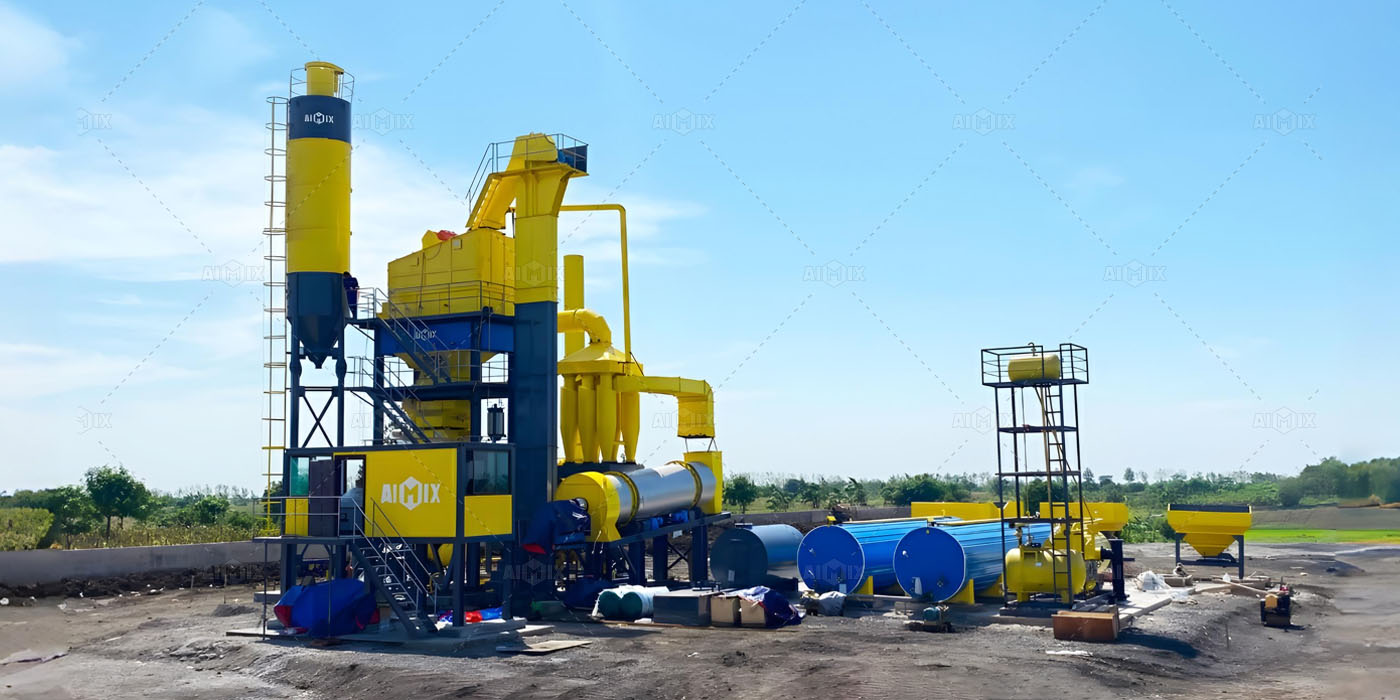
Should Malaysian Contractors Choose A Mobile Or Stationary Asphalt Plant?
The next important decision is whether to choose a fixed asphalt plant or a mobile solution. The best option depends on project duration, site conditions, and whether the contractor expects to move the equipment after project completion.
Malaysia has a wide range of road construction opportunities. Some contractors work on long-term highway projects, while others handle multiple projects across different states. Therefore, equipment flexibility can directly influence investment value.
For contractors who frequently move between projects, a mobile asphalt mix plant can provide additional advantages.
Advantages Of Mobile Asphalt Plants
- Faster relocation between different construction sites.
- Suitable for contractors managing multiple road projects.
- Reduces the dependence on fixed production locations.
- Helps improve equipment utilization after completing one project.
For example, a contractor completing a highway section in one Malaysian state may later move the equipment to another infrastructure project. A mobile solution can reduce downtime between projects.
When A Stationary Asphalt Plant Is A Better Choice
- Large highway projects with several years of construction duration.
- Projects requiring continuous high-volume asphalt production.
- Companies operating commercial asphalt supply businesses.
- Sites with stable material supply and permanent supporting facilities.
Therefore, contractors should evaluate the entire project lifecycle instead of choosing equipment only based on the current construction stage.
How Transportation Planning Influences 1,500 Tons Per Day Asphalt Production
Even the best asphalt plant cannot achieve high productivity without efficient transportation. Asphalt production and asphalt delivery must remain synchronized because hot mix asphalt requires proper temperature control during transportation and paving.
For a production target of 1,500 tons per day, contractors need to estimate truck requirements carefully.
Assuming one truck carries approximately 20 tons of asphalt:
1,500 Tons ÷ 20 Tons Per Truck = Approximately 75 Truck Loads Per Day
The actual number of trucks depends on transportation distance and cycle time. A project located close to the asphalt plant may require fewer trucks, while a remote highway section may need a larger transportation fleet.
Key Transportation Factors To Consider
- Distance between asphalt plant and paving location.
- Traffic conditions on delivery routes.
- Truck loading and unloading efficiency.
- Storage capacity and production scheduling.
- Coordination between plant operators and paving teams.
Many experienced contractors place the asphalt plant as close as practical to the construction area. This approach reduces fuel costs, shortens delivery time, and helps maintain asphalt quality.
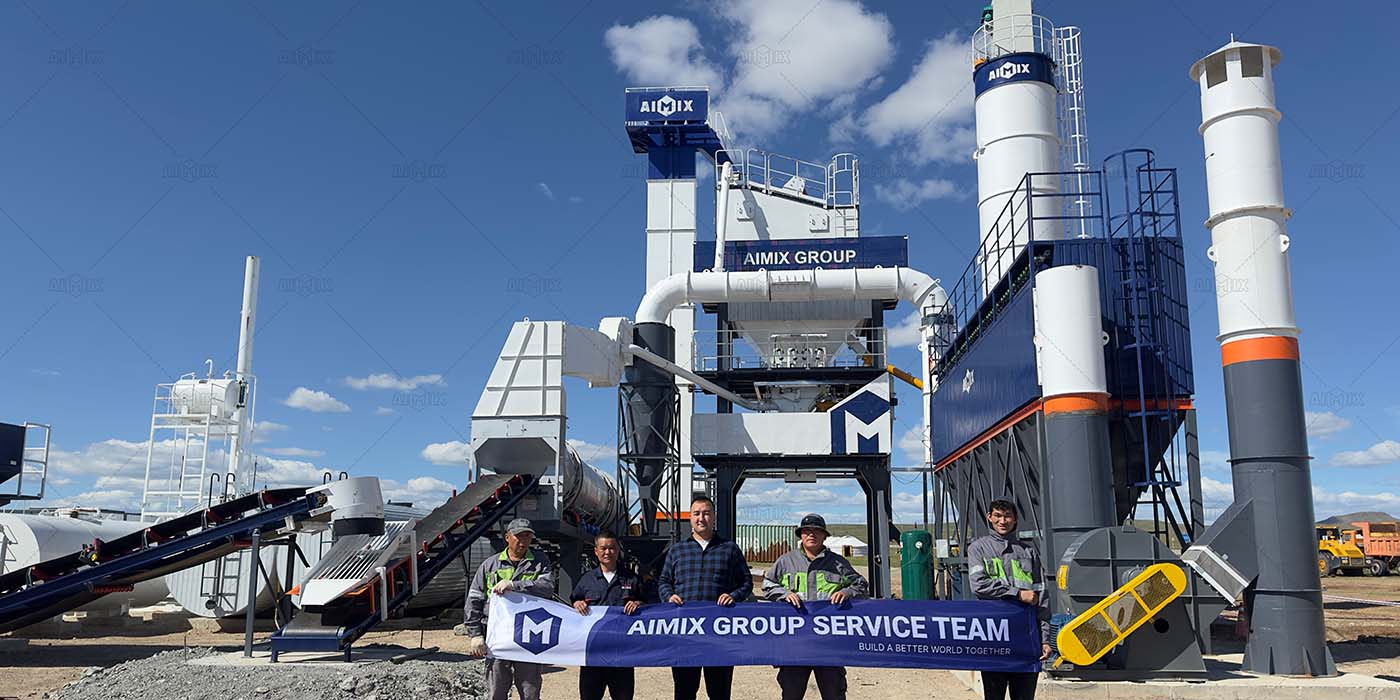
Evaluate Investment Return Before Buying An Asphalt Plant
Purchasing an asphalt plant is a major business decision. Contractors should consider not only the equipment cost but also the value created throughout the project.
For a highway project producing 1,500 tons of asphalt per day, owning an asphalt plant can provide several potential advantages:
- Better control over asphalt supply and construction schedule.
- Reduced dependence on external asphalt suppliers.
- Lower transportation costs when production is close to the project.
- Improved coordination between asphalt production and paving operations.
- Ability to support future infrastructure projects.
However, contractors should also calculate long-term utilization. If the company only has one short-term project, renting or cooperating with a local supplier may be more suitable. If the company manages multiple highway projects, owning a plant can create stronger business value.
The right investment decision depends on production demand, project pipeline, operation experience, and available technical support.
What Should Contractors Check Before Choosing An Asphalt Plant Supplier?
Selecting the equipment supplier is another important step. A reliable supplier should provide more than a machine. They should understand construction requirements and provide support throughout installation, operation, and maintenance.
When comparing an asphalt mixing plant supplier, contractors should evaluate several factors:
- Experience with international road construction projects.
- Production capacity range and customization ability.
- Installation guidance and technical support.
- Availability of spare parts and after-sales service.
- Understanding of local operating conditions.
A professional supplier can help contractors avoid common mistakes, such as selecting insufficient capacity, unsuitable configuration, or equipment that does not match the project environment.
Why Local Project Experience Matters For Asphalt Plant Selection In Malaysia
Every country has different construction conditions. For Malaysian contractors, understanding local requirements can improve equipment selection and project efficiency.
Factors such as tropical weather, aggregate availability, transportation distance, and regional construction standards should all be considered before investment.
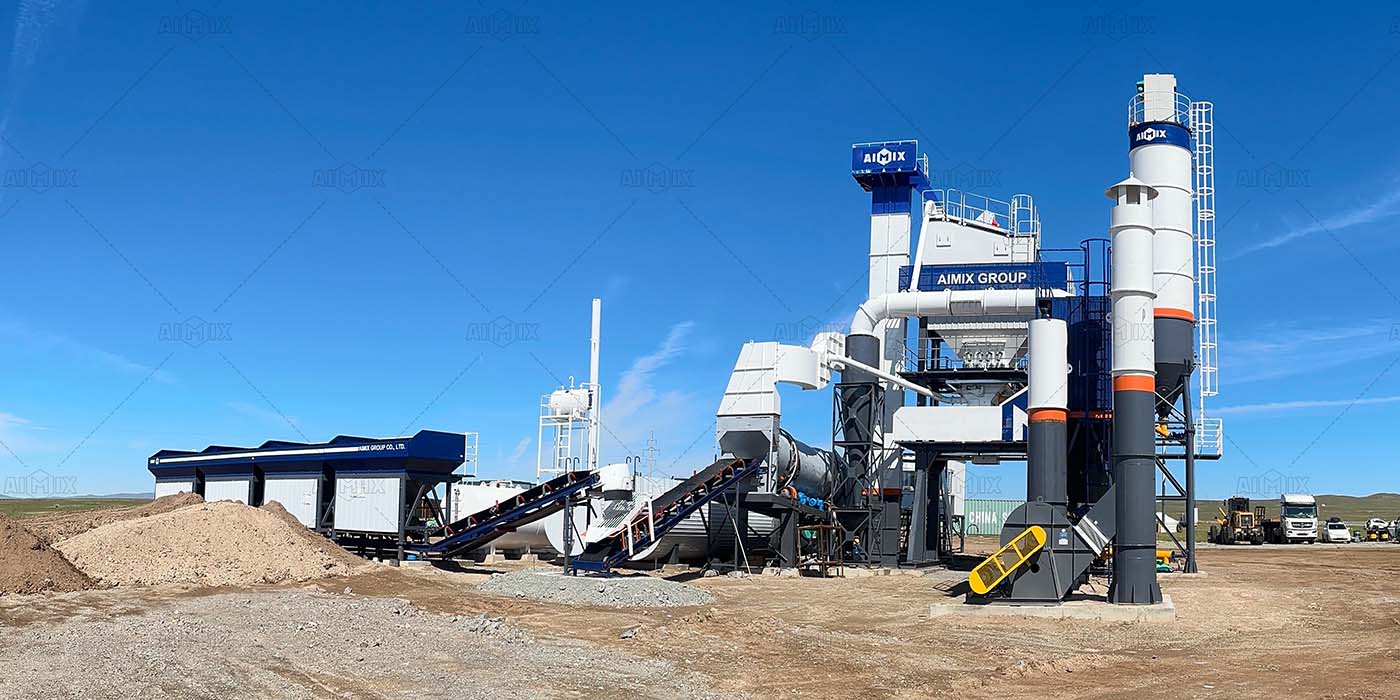
Working with a supplier familiar with asphalt plant in malaysia applications can help contractors choose a more practical solution for local highway projects.
A suitable asphalt plant should match not only production requirements but also the actual working environment.
Final Recommendation: Selecting The Right TPH Asphalt Plant For 1,500 Tons Per Day
For Malaysian highway contractors producing approximately 1,500 tons of asphalt per day, the ideal asphalt plant capacity usually depends on project schedule and operating conditions.
A 120 TPH asphalt plant may meet the requirement when the contractor has longer working hours, efficient transportation, and stable project conditions. However, a 160 TPH asphalt plant often provides a better production margin and greater flexibility for highway projects with strict deadlines.
For contractors planning future projects, commercial asphalt production, or multiple infrastructure contracts, a higher-capacity solution may provide better long-term value.
The goal is not simply to buy the largest asphalt plant. The goal is to choose a system that keeps production stable, protects asphalt quality, controls project costs, and supports business growth.
Before making a final decision, contractors should analyze their daily asphalt demand, working hours, transportation conditions, and future project plans. A professional evaluation can help avoid unnecessary investment and ensure the asphalt plant delivers maximum value.
Planning a highway project in Malaysia with a 1,500-ton daily asphalt production target? Contact our asphalt plant experts to discuss your project requirements, recommended TPH capacity, plant configuration, and complete asphalt production solution.