
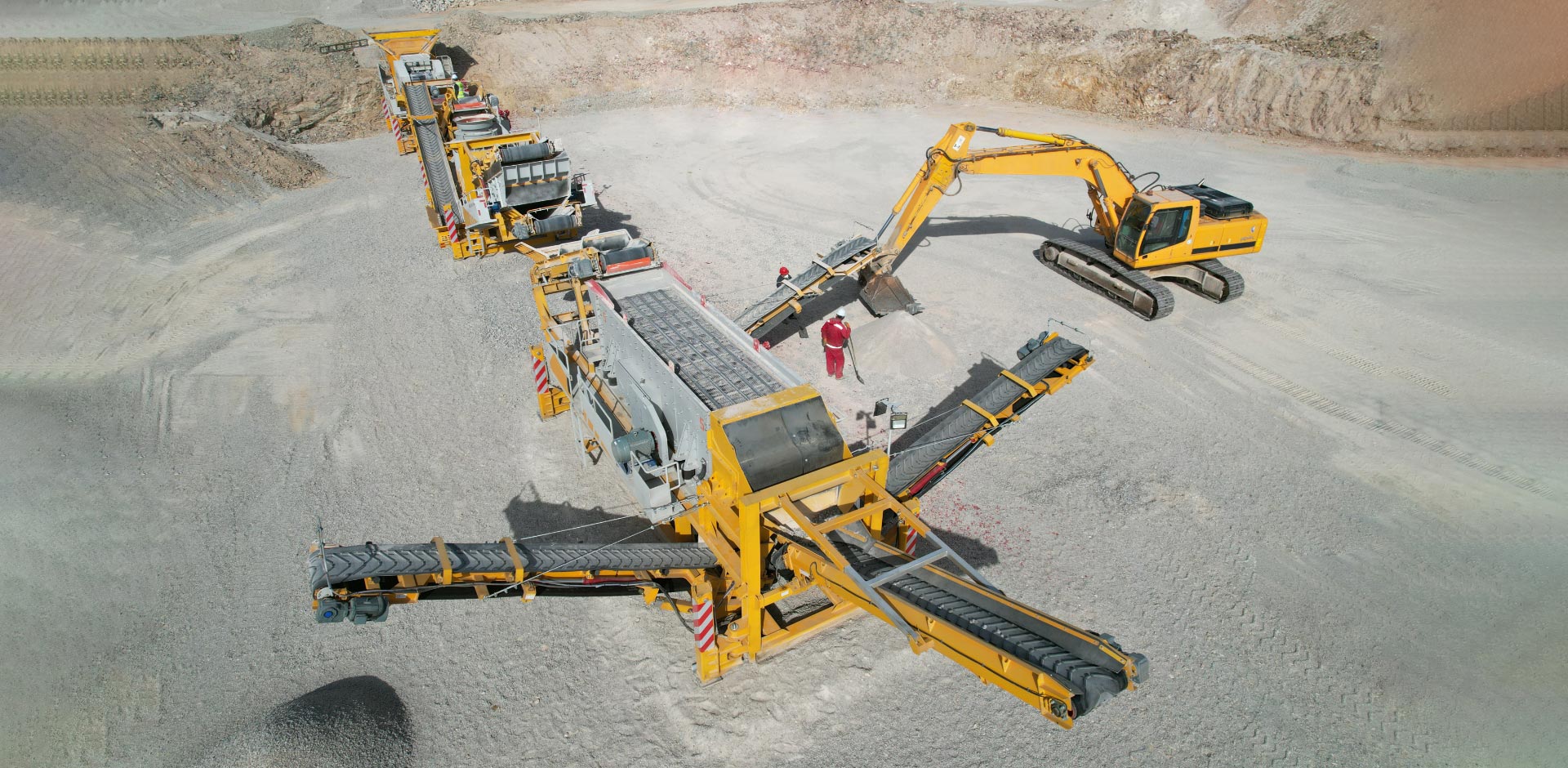
When investing in a crushing plant, the initial equipment price is only one part of the total financial picture. A lower crusher plant price may seem attractive, but it does not necessarily mean lower production costs or higher profitability. For quarry owners, aggregate producers, and contractors, the more meaningful indicator is the cost per ton of qualified aggregate produced. Evaluating both initial investment and long-term operating expenses helps investors select equipment that delivers better economic performance throughout its service life.
1. Why Crusher Plant Price Does Not Reflect Total Production Costs
The crusher plant price represents the upfront investment required to purchase the equipment and establish the production line. However, the actual cost of producing aggregates also depends on equipment efficiency, material characteristics, labor requirements, energy consumption, and maintenance frequency.
Two crushing plants with similar rated capacities may have significantly different operating costs. For example, a plant processing hard granite may consume more energy and wear parts than one processing softer limestone. Likewise, an inefficient screening system may generate excessive recirculating material, increasing the workload on crushers and conveyors.
Investors should therefore distinguish between two financial indicators:
- Initial investment: The purchase price of crushers, vibrating screens, feeders, conveyors, electrical systems, and supporting infrastructure.
- Production cost per ton: The operating expenses required to produce one ton of qualified, saleable aggregate.
A plant with a higher purchase price may achieve a lower cost per ton through better processing efficiency, reduced downtime, and longer equipment service life.
2. What Expenses Determine the Cost per Ton of Aggregate?
The cost per ton of aggregate includes both fixed and variable operating expenses. Understanding these cost categories makes it easier to evaluate different equipment configurations and estimate the financial performance of a stone crusher business plant.
Equipment Investment and Depreciation
Crushers, screens, feeders, conveyors, and supporting facilities represent the primary capital investment. Their purchase costs should be allocated across the expected production volume and service life rather than evaluated as a one-time expense alone.
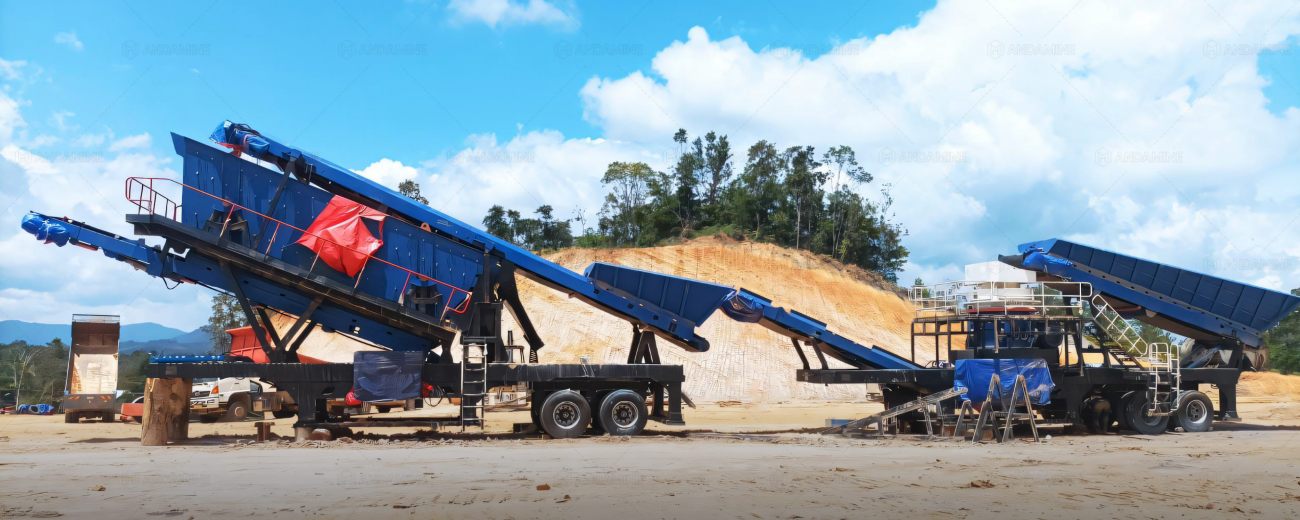
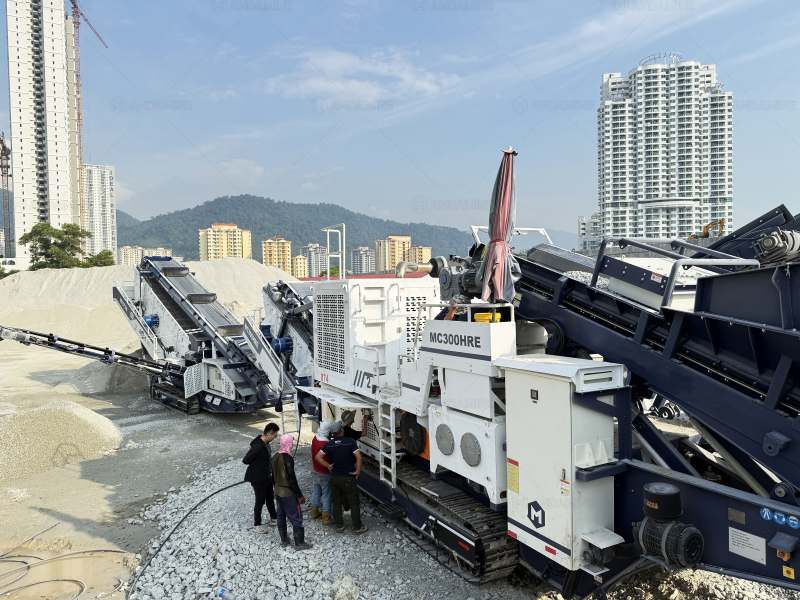
Mobile crushing plants may require a higher initial investment than some comparable stationary configurations, but they can reduce foundation construction, relocation, and transportation expenses in projects involving multiple working locations.
Energy and Fuel Consumption
Electricity or diesel consumption directly affects the cost of each production cycle. The number of crushing stages, motor power, material hardness, and equipment loading conditions all influence energy requirements.
Oversized feed material, unnecessary recirculation, and poorly coordinated equipment can increase energy consumption without producing additional saleable aggregates.
Wear Parts and Maintenance
Jaw plates, cone liners, blow bars, impact plates, and screen media are consumable components. Their replacement frequency depends on rock abrasiveness, material hardness, operating conditions, and equipment selection.
Preventive maintenance also contributes to production costs. Regular inspections, lubrication, belt adjustments, and timely replacement of worn components help prevent unexpected breakdowns and expensive production interruptions.
Labor and Material Handling
Operating personnel, loaders, excavators, wheel loaders, and material transportation equipment add to daily expenses. A well-designed production line with coordinated feeding, crushing, screening, and conveying processes can reduce unnecessary handling and labor requirements.
3. How to Calculate the Actual Cost per Ton
A practical cost-per-ton calculation should use the total production expenses during a specific period divided by the qualified aggregate output produced during the same period.
Cost per Ton = Total Production Cost ÷ Qualified Saleable Aggregate Output
For example, assume a crushing plant incurs the following expenses during one month:
| Cost Category | Monthly Cost (USD) |
|---|---|
| Equipment depreciation | $8,000 |
| Electricity and fuel | $12,000 |
| Wear parts and maintenance | $7,000 |
| Labor | $6,000 |
| Loading and other operating expenses | $5,000 |
| Total | $38,000 |
If the plant produces 10,000 tons of qualified saleable aggregates during the month, the calculation is:
$38,000 ÷ 10,000 tons = $3.80 per ton
This figure provides a more useful basis for comparing production efficiency than the equipment purchase price alone. Importantly, the calculation should use actual saleable output rather than total material entering the crushing system. Rejects, excessive fines, and off-specification products should not be counted as qualified aggregate production.
4. How Equipment Configuration Affects Long-Term Production Economics
Equipment configuration directly influences both capital investment and operating efficiency. Choosing the right crushing stages and supporting equipment is therefore essential to controlling the cost per ton.
- Jaw crusher: Commonly used for primary crushing of large feed materials. Selecting an appropriate feed opening and processing capacity helps prevent bottlenecks.
- Cone crusher: Suitable for secondary and tertiary crushing of hard and abrasive rocks. Its performance depends on feed gradation, chamber selection, and operating conditions.
- Impact crusher: Often used for limestone, concrete, and other materials where particle shape and reduction ratio are important.
- Vibrating screen: Separates aggregates into required size fractions. Appropriate screening capacity reduces unnecessary recirculation and improves product consistency.
Adding more crushing stages does not automatically improve profitability. The configuration should match the raw material, target output sizes, required production capacity, and local aggregate market demand.
5. Comparing Crusher Plant Investment in Different Markets
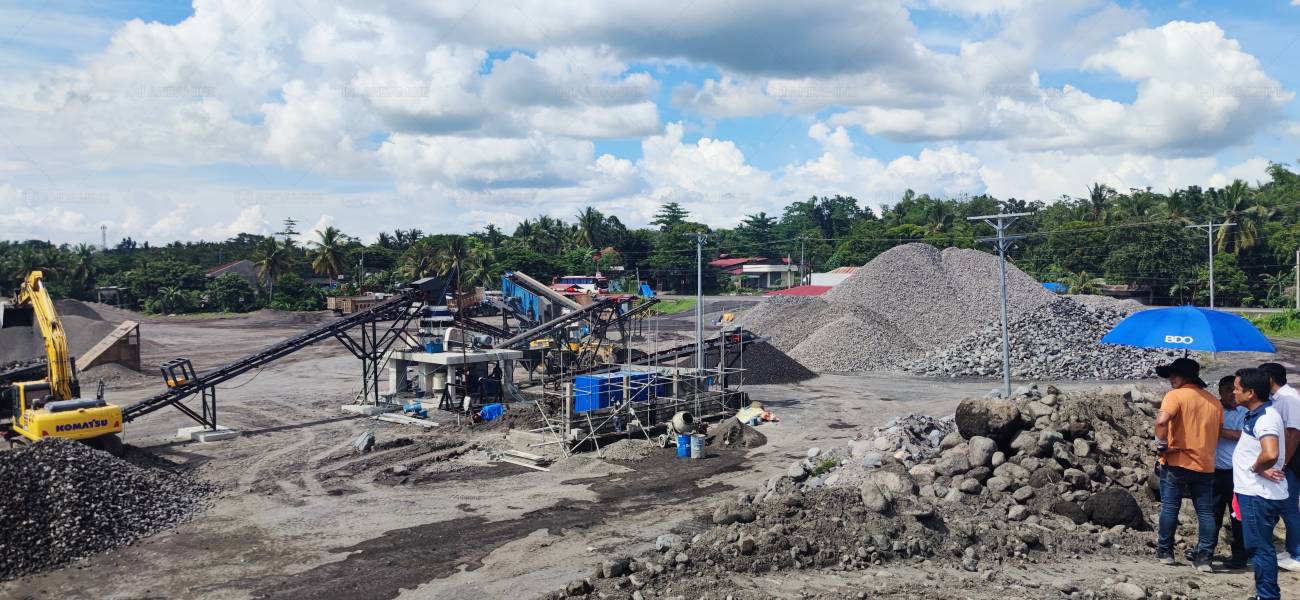
Regional purchasing conditions also influence the initial investment and operating economics of a crushing project. Buyers researching the stone crusher machine price in Philippines should consider not only the equipment quotation but also shipping costs, import duties, installation requirements, spare parts availability, and local electricity prices.
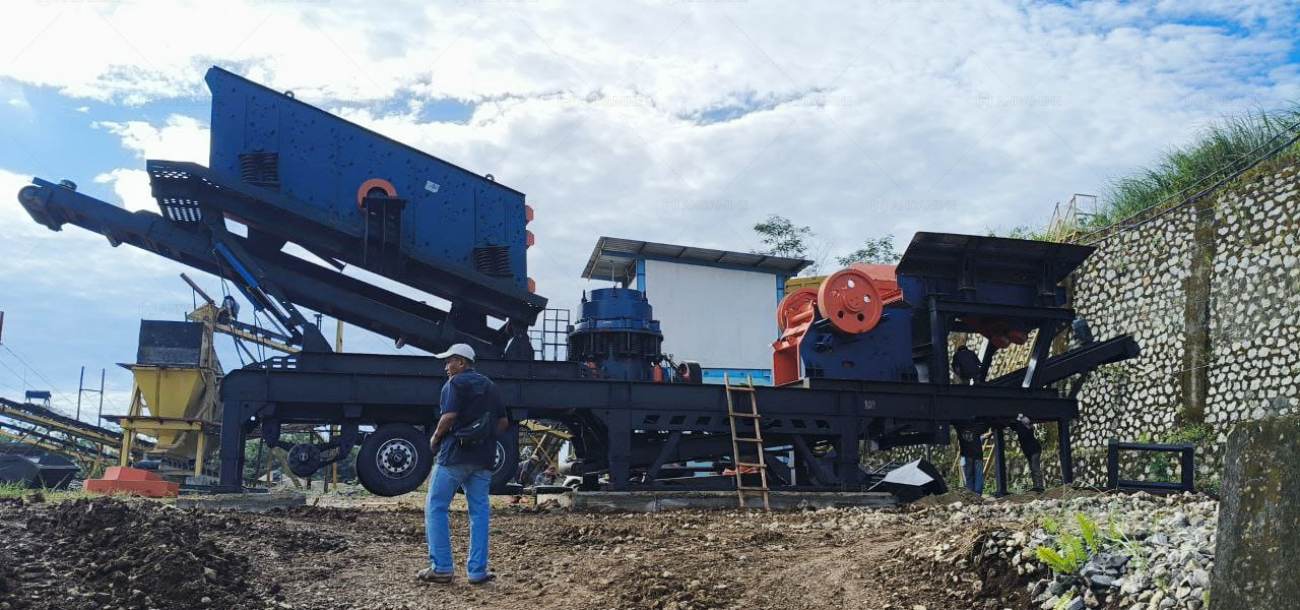
Similarly, investors searching for harga stone crusher Indonesia (stone crusher price in Indonesia) should compare complete equipment configurations rather than relying on individual machine prices. Local transportation conditions, island-to-island logistics, material characteristics, and project location can significantly affect the total investment.
For both markets, requesting a detailed quotation based on actual feed material, target capacity, and finished aggregate specifications provides a more reliable basis for comparing suppliers. A low-priced crusher without suitable screening or conveying equipment may require additional investment before the production line can operate effectively.
6. How to Choose a Stone Crusher Business Plant for Better Returns
A profitable stone crusher business plan should be designed around realistic production demand rather than simply selecting the largest available capacity. Before purchasing equipment, investors should evaluate several important factors:
- Market demand: Identify the required aggregate sizes, expected sales volume, and local selling prices.
- Raw material: Determine rock hardness, abrasiveness, maximum feed size, and processing characteristics.
- Production capacity: Match the plant’s practical output with the expected daily and annual production targets.
- Product quality: Ensure that the crushing and screening process can consistently meet customer specifications.
- Operating expenses: Estimate energy, labor, maintenance, wear parts, and material handling costs.
- Equipment support: Evaluate spare parts supply, technical assistance, installation, and maintenance services.
It is also important to distinguish rated capacity from actual saleable output. A plant advertised at 200 TPH may not consistently deliver 200 tons of qualified aggregates per hour under every material and operating condition. Feed characteristics, equipment utilization, product specifications, and downtime all affect practical production.
Conclusion
The best crusher plant investment is not necessarily the one with the lowest purchase price. It is the configuration that balances initial capital expenditure, operating costs, production efficiency, and aggregate quality. By calculating cost per ton and comparing actual saleable output, investors can make more informed equipment decisions and build a stone crusher business plant with stronger long-term economic potential.