
Engineering retrofits that integrate a specialized asphalt recycling plant into a heavy-duty stationary asphalt batching plant require significant upfront capital but deliver unparalleled long-term operational savings. By enabling the processing of high-volume recycled asphalt, this structural modification drastically drives down raw material expenditure for aggregates and liquid binder. In territories governed by stringent carbon pricing and green procurement mandates, owning an upgraded asphalt batch plant transforms environmental compliance from an operational burden into a distinct competitive advantage. Ultimately, the massive savings generated by substituting virgin inputs with recycled fractions allow strategic contractors to achieve a rapid return on investment while securing long-term resilience in municipal bidding.
Technical Feasibility and Capital Cost Analysis of Recycling Retrofits
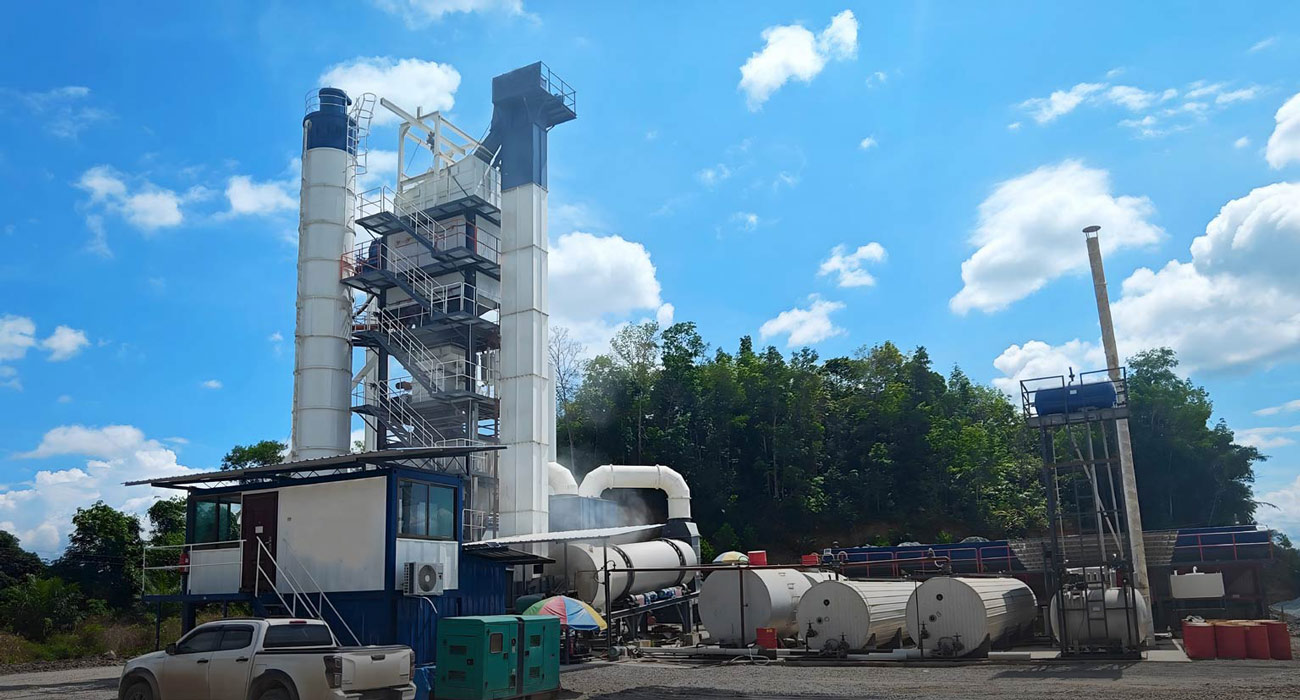
Integrating recycling technology into a highly complex, pre-existing stationary asphalt batching plant requires precise structural engineering and modifications to the thermal dynamics of the facility. The initial engineering cost encompasses adding dedicated cold feed bins for Reclaimed Asphalt Pavement (RAP), specialized collar rings on the drying drum, or completely separate parallel recycling drums. In light of this, the plant can successfully introduce recycled asphalt directly into the mixing process without exposing the aged binder to direct burner flame impingement. This technical barrier must be overcome to prevent hazardous blue smoke emissions and binder degradation during production.
From a logistics perspective, modifying a stationary asphalt batching plant ensures that the facility remains anchored as a high-volume production hub within an urban or regional center. Unlike mobile setups, a permanent facility can accommodate the heavy structural steel frameworks and extended conveyor systems necessary to feed a multi-stage asphalt recycling plant. Consequently, the structural modifications do not compromise the foundational stability or the strict environmental zoning clearances of the primary site. The long-term physical permanence of the asset justifies the engineering expenditure by providing a stable, centralized destination for regional pavement milling waste.
Specifically, the capital layout for a recycling retrofit is systematically recovered by eliminating the structural components that become redundant when processing recycled aggregate. Because the reclaimed material has already been crushed, sized, and coated with bitumen during its original lifecycle, it bypasses the primary jaw crushers and extensive primary heating zones. Conversely, standard plants processing one hundred percent virgin materials suffer from constant wear on primary aggregate screens and high fuel burn rates in the main dryer. Minimizing the mechanical strain on the virgin aggregate processing line extends the overall operational lifecycle of the core batching towers.
Raw Material Cost Reduction and Carbon Tax Mitigation Strategy
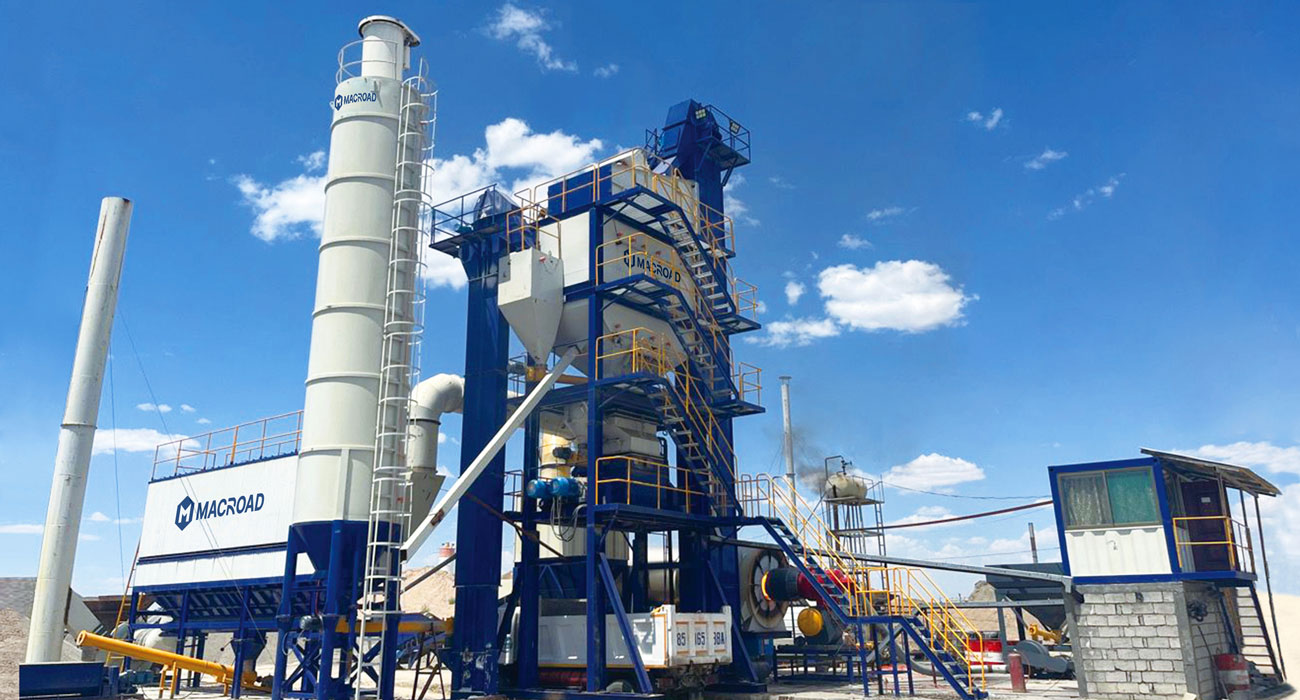
The primary driver for anchoring an asphalt recycling plant alongside a traditional batching tower is the immediate reduction in daily operational expenditure. Sourcing high-quality virgin aggregate and liquid bitumen represents the largest variable expense on a contractor’s balance sheet, subject to volatile global commodity pricing. Utilizing recycled asphalt allows the plant owner to substitute a substantial percentage of virgin binder with the residual bitumen already present in the pavement millings. Consequently, the cost per ton of the final hot mix drops drastically, directly insulating the contractor from supply chain disruptions.
In jurisdictions implementing aggressive carbon taxes or strict environmental penalties, the economic justification for retrofitting an asphalt batch plant becomes even more compelling. Regulatory frameworks increasingly penalize the carbon-heavy extraction of virgin stone and the energy-intensive refining of liquid petroleum binder. By maximizing RAP utilization rates, the production facility reduces its direct scope one emissions and avoids heavy environmental compliance fees at the source. Specifically, this carbon offset mechanism creates a dual-revenue effect: it simultaneously lowers production overhead and prevents government fiscal penalties from eroding project net margins.
Furthermore, processing recycled materials inside a dedicated stationary asphalt batching plant provides superior thermodynamic management compared to simpler continuous drum variants. The plant’s automated control system can modulate the mixing cycle duration to allow complete heat transfer from superheated virgin aggregates into the cold RAP fractions. This precise thermal equilibrium prevents thermal shock within the pugmill mixer, ensuring that the blended binder achieves complete rejuvenator activation. From a logistics perspective, this thermal consistency eliminates the risk of premature pavement cracking, ensuring that the recycled mix performs identically to premium virgin alternatives under heavy traffic loading.
Strategic Capital Reinvestment and Competitive Municipal Bidding
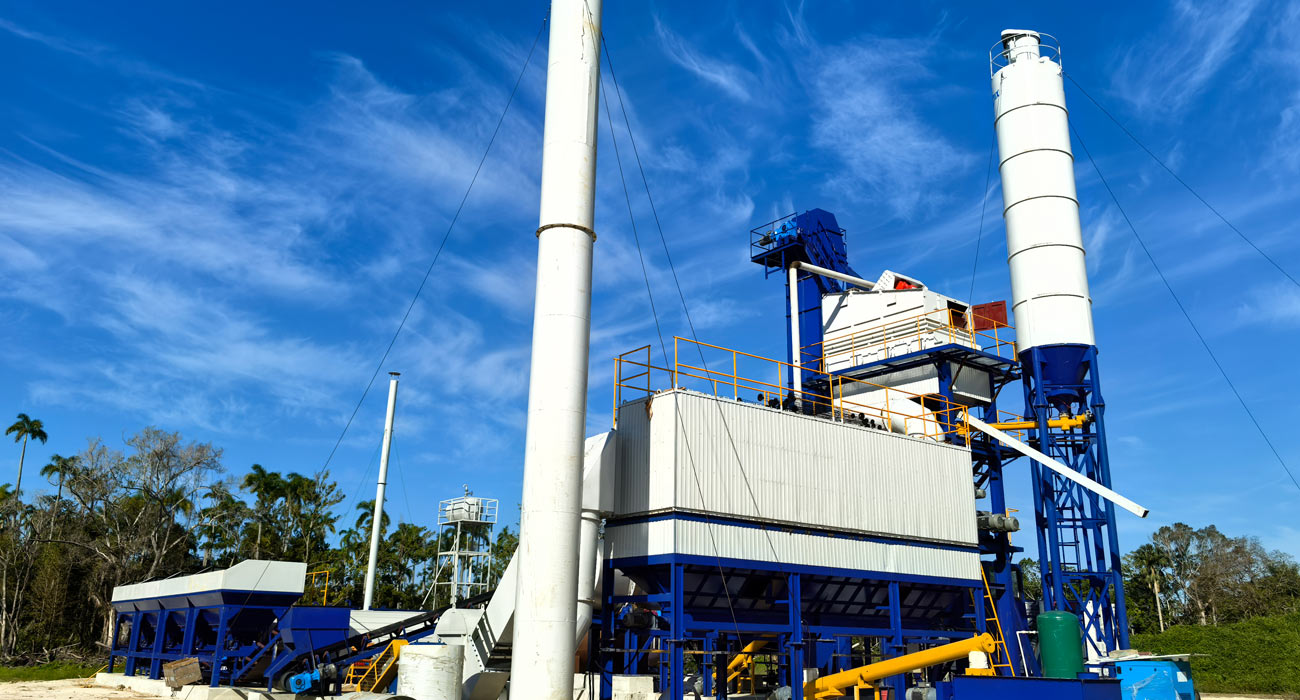
The technical capability to process high volumes of recycled asphalt frees up massive amounts of fluid operational capital that would otherwise be tied up in raw material procurement. Strategic buyers can immediately redirect these cash flows to fund fleet modernization, implement predictive maintenance software, or expand regional logistics networks. Having a highly liquid balance sheet ensures that the infrastructure contractor remains resilient during broader economic downturns or prolonged raw material shortages. In light of this, the upfront premium paid for the recycling technology transforms the asphalt batch plant into a highly adaptable profit center.
In the arena of public infrastructure procurement, municipal agencies are rapidly shifting toward green procurement frameworks that prioritize a low environmental impact over the lowest bid alone. Contractors operating a modernized stationary asphalt batching plant outfitted with an asphalt recycling plant can aggressively underbid traditional competitors while maintaining healthier profit margins. The lower cost baseline achieved through material recycling allows the business to absorb aggressive pricing pressures from competitors without sacrificing quality. Specifically, the ability to document a quantified reduction in embodied carbon turns the asset into a preferred partner for state-level transport authorities.
Ultimately, evaluating the terminal investment matrix confirms that the integration of recycling hardware delivers a highly predictable and accelerated timeline for achieving total profitability. The initial asset modification costs are offset not only by the lower cost of sourcing recycled asphalt but also by the sustained volume of long-term public contracts won through eco-conscious bidding. As carbon accounting becomes mandatory across the international infrastructure sector, un-retrofitted facilities face rapid obsolescence and declining market utilization. Investing in premium recycling infrastructure ensures the asset remains highly productive, legally compliant, and commercially dominant for decades to delayed project cycles.
Industrial Sustainability Anchors Long-Term Contracting Resilience
Maximizing the economic yield of production infrastructure requires an aggressive alignment between technical capability and shifting regulatory landscapes. While the engineering costs of integrating an asphalt recycling plant into a stationary asphalt batching plant represent a serious capital commitment, the long-term operational savings are undeniable. By utilizing cost-effective recycled asphalt and mitigating severe carbon tax liabilities, the upgraded asphalt batch plant guarantees low per-ton production costs. For strategic institutional buyers, this engineering evolution secures the asset’s market position, frees up vital operational capital, and establishes an unassailable advantage in future green infrastructure contracting.